
If you have ever wondered whether “infact” or “in fact” is correct, you are not alone. These forms look nearly identical, so the mistake is easy to make while typing or writing quickly. However, standard English uses “in fact” as two separate words. The expression is common in everyday conversations, professional communication, academic writing, and formal prose. It can add information, emphasize a point, correct an assumption, or show what is actually true. Learning the difference is simple once you understand how the phrase works. In this guide, you will learn the correct spelling, meaning, grammar, punctuation, common mistakes, and practical examples.
Infact or In Fact: The Quick Answer
In fact is the correct standard spelling. “Infact” is a common misspelling and should not be used as the standard written form of the expression.
For example:
Correct: She was tired. In fact, she went to bed early.
Incorrect: She was tired. Infact, she went to bed early.
Cambridge Dictionary identifies in fact as a discourse marker used to add more detailed information, while its dictionary definition also gives the meaning “actually.”
What Does “In Fact” Mean?
In fact is a fixed English expression that generally means “actually,” “in reality,” or “in truth.” It can introduce information that confirms, expands, or sometimes contrasts with what was just said. Cambridge describes it as a discourse marker, while Oxford documents “in (actual) fact” for adding details and emphasizing information that contrasts with an earlier statement.
In practical writing, you can think of in fact as a signal to the reader. It tells them that the next information is especially relevant to what came before. For example, “The restaurant looked small. In fact, it had three dining rooms” adds a surprising detail. The phrase can also strengthen a statement: “The problem is, in fact, more complicated than we expected.”
In Fact as a Discourse Marker
A discourse marker helps show how one part of a conversation or piece of writing relates to another. Cambridge specifically classifies “in fact” this way. It commonly appears when a speaker or writer adds more detail to an earlier statement.
For example:
The exam was difficult. In fact, most students needed extra time.
Here, the second sentence gives additional information about the first. The phrase does not describe an action in the same way that a word such as “quickly” does. Instead, it helps organize and emphasize the relationship between ideas.
Different Functions of In Fact
The expression can serve several closely related purposes. You can use it to add information, emphasize a fact, correct an assumption, reinforce a point, or introduce a contrast.
Consider these examples:
I thought the store was closed. In fact, it was open until midnight.
She is a talented writer. In fact, she has published three novels.
The task was not easy. In fact, it took us two days to finish.
The exact effect depends on context. Sometimes the phrase simply adds detail. In other cases, it highlights information that differs from what the reader might expect. Oxford gives examples of “in fact” introducing extra details and emphasizing a statement that contrasts with what was previously mentioned.
Why Is “In Fact” Written as Two Words?
The standard spelling is in fact because English treats it as a multiword expression rather than a single word. The first word is the preposition in, while fact is a noun. Together, they form the established expression “in fact.”
The important point is that English contains many expressions whose meaning comes from multiple words working together. You would not normally combine the words in “in fact” simply because they are frequently used together. Major dictionaries list and define the expression in its two-word form.
Is “Infact” a Real Word?
In standard English, “infact” is not the accepted spelling of this expression. If you see it in online comments, messages, or informal text, it is usually a spelling or typing error rather than a separate English word.
That distinction matters. A word can appear frequently on the internet without becoming a standard dictionary form. For polished writing, use in fact as two words.
Why Do People Write “Infact”?
The most common reason is simple: the expression is pronounced as a connected unit in natural speech. When people hear the words together, they may mentally treat them as one word.
Fast typing can create the same problem. Writers often combine familiar word pairs accidentally, especially when proofreading is limited. Similar mistakes occur with other frequently used expressions, but the solution is straightforward: remember the standard written form.
How to Use “In Fact” Correctly in a Sentence
You can place in fact in different positions depending on the sentence and the effect you want. It commonly appears at the beginning of a clause, but it can also occur in the middle or at the end. Cambridge notes that front position is common, while end position can occur in informal usage.
At the beginning, it often introduces additional or contrasting information:
In fact, I had already finished the report.
In the middle, it can emphasize information within the sentence:
The results were, in fact, better than expected.
It can also appear without surrounding commas when it is integrated into the sentence:
She did in fact complete the project on time.
In Fact at the Beginning of a Sentence
When the phrase introduces a sentence or clause, a comma commonly follows it.
In fact, the meeting started earlier than expected.
In fact, nobody knew about the change.
This position makes the expression easy to recognize. It tells the reader that the upcoming information connects directly to the previous idea.
In Fact in the Middle of a Sentence
When in fact appears in the middle, punctuation depends on how it functions in the sentence. If it works as a parenthetical interruption, commas can surround it.
The decision, in fact, surprised everyone.
However, commas are not automatically required simply because the expression appears in the middle.
She did in fact finish the assignment.
The second example treats the phrase as an integrated part of the sentence. This is why a blanket rule such as “always put commas around in fact” is misleading.
In Fact at the End of a Sentence
End position is possible, particularly in conversational or informal contexts.
The trip was disappointing, in fact.
It was a complete disaster, in fact.
Cambridge specifically notes that end position can occur in informal situations.
In formal writing, however, beginning or integrated middle placement will often sound more natural.
In Fact Punctuation: Comma or No Comma?
There is no single comma rule that works for every sentence containing in fact. The punctuation depends on the phrase’s position and grammatical role.
At the beginning of a sentence or clause, a comma is common:
In fact, the evidence supports the original conclusion.
When the phrase is parenthetical, commas may appear on both sides:
The evidence, in fact, supports the original conclusion.
When it is closely integrated into the sentence, commas may be unnecessary:
The evidence does in fact support the original conclusion.
When to Use a Comma After In Fact
Use a comma after in fact when it functions as an introductory expression at the beginning of a sentence or clause.
In fact, the store closes at six.
In fact, we had already discussed that issue.
This punctuation makes the opening phrase visually separate from the main statement.
When You Do Not Need Commas
Do not add commas automatically when the phrase is integrated into the sentence.
She did in fact call me yesterday.
The company has in fact changed its policy.
You may also use commas when the phrase functions parenthetically:
The company has, in fact, changed its policy.
Both structures can be grammatical. The difference is how the expression fits into the sentence.
Infact vs In Fact: Clear Comparison
| Form | Standard English? | Meaning | Recommended use |
| in fact | Yes | actually, in reality, in truth | Everyday, professional, academic, and formal writing |
| infact | No | Intended as “in fact” | Avoid in standard writing |
The central difference is spelling, not meaning. “Infact” does not represent a different definition or grammatical category. Writers normally use it when they intend the established expression in fact.
In Fact vs Actually
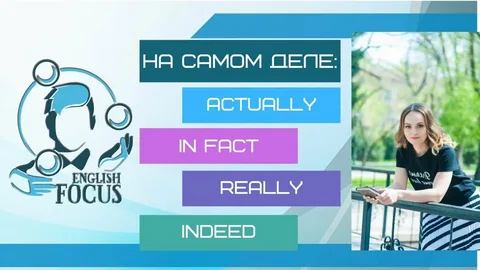
Actually and in fact often have similar meanings. Cambridge defines “actually” in one of its uses as “in fact or really,” and Cambridge Grammar also explains that “actually” can introduce contrast, correction, or additional detail.
For example:
In fact, the store was already closed.
Actually, the store was already closed.
The choice often depends on tone and sentence structure. “Actually” is especially common in conversation, while “in fact” can work naturally across both spoken and written English.
In Fact vs Indeed
Indeed can also emphasize or reinforce a statement, but it does not always perform exactly the same discourse function.
The project was difficult. Indeed, it took several months.
The project was difficult. In fact, it took several months.
Both can work, but in fact often feels more directly connected to confirming or adding factual information.
In Fact vs As a Matter of Fact
As a matter of fact is another established expression with a similar meaning. It can add information or emphasize what is true. Oxford lists it as an idiomatic expression and notes that it can also be used to disagree with something previously stated.
For concise writing, in fact is usually shorter:
In fact, I have already seen the report.
As a matter of fact, I have already seen the report.
Both are grammatical, but the second expression is longer and can sound more emphatic.
In Fact Examples in Everyday and Professional Writing
The best way to understand this expression is to see it working in different contexts. It can fit naturally into casual conversations, workplace emails, essays, reports, and academic writing.
In everyday English, you might say:
I thought he lived nearby. In fact, he lives across town.
The movie was better than expected. In fact, I watched it twice.
She wasn’t late. In fact, she arrived early.
In Fact in Professional Writing
Professional writers can use the phrase to introduce supporting information or clarify an earlier statement.
The first proposal was promising. In fact, it received strong feedback from the review team.
Sales increased during the final quarter. The increase was, in fact, larger than expected.
The client did in fact approve the revised schedule.
The expression can work in business emails, reports, presentations, and other professional communication when the context calls for emphasis or clarification.
In Fact in Academic Writing
In fact can also appear in academic writing. MLA’s grammar guidance, for example, includes a sentence where “in fact” functions as an adverb modifying the whole sentence.
Academic writers should still use it purposefully. If a sentence already states a fact clearly, adding “in fact” may provide little value. Use it when the expression genuinely helps connect, clarify, emphasize, or contrast ideas.
Common Mistakes With “In Fact” and How to Avoid Them
The biggest mistake is joining the two words together. Writing “infact” may look natural because the phrase is commonly pronounced smoothly, but standard written English keeps the words separate.
Another common mistake involves punctuation. Some writers place commas around every occurrence of “in fact.” That approach is too rigid. Instead, look at how the expression functions in your sentence.
Common Mistake 1: Writing “Infact”
Incorrect:
Infact, I already knew the answer.
Correct:
In fact, I already knew the answer.
A simple proofreading trick can help. Whenever you type “infact,” stop and separate the words before continuing.
Common Mistake 2: Assuming a Comma Is Always Required
Incorrect reasoning:
“In fact” always needs two commas.
That is not true. Compare:
The answer was, in fact, correct.
with:
The answer was in fact correct.
The punctuation depends on the sentence structure and how the expression is integrated.
Common Mistake 3: Using It as Filler
Although in fact is useful, you do not need it in every paragraph. Repeating the expression too often can make writing sound heavy or overly emphatic.
Instead, use alternatives such as actually, indeed, in reality, or simply remove the phrase when it adds nothing.
When Should You Use “In Fact”?
Use in fact when you want to add meaningful information, emphasize what is true, clarify a previous point, or contrast an assumption with reality. It is especially useful when the second idea strengthens or modifies the reader’s understanding of the first.
For example:
The task looked simple. In fact, it required several hours of research.
The phrase works because the second sentence changes the reader’s understanding of the first. It reveals that the task was more demanding than it initially appeared.
When Not to Use In Fact
Avoid the expression when it adds no useful meaning. You should also avoid repeating it throughout a short passage.
Instead of:
In fact, the meeting was long. In fact, everyone was tired. In fact, we left late.
You could write:
The meeting was long, everyone was tired, and we left late.
Strong writing does not need an emphasis marker in every sentence. Use the expression when it performs a clear communicative job.
How to Remember “In Fact” Is Two Words
The easiest memory trick is to connect in fact with other familiar two-word expressions such as in reality and in truth.
Think of this pattern:
in fact = in reality = in truth
All three expressions contain separate words. When you remember the phrase as a complete expression rather than a single word, “infact” becomes easier to spot as a spelling mistake.
Another useful trick is to remember the literal structure: in + fact. The noun “fact” remains a separate word after the preposition “in.”
FAQs About Infact vs In Fact
Is “infact” correct in English?
No. In fact is the standard written form. “Infact” is generally a misspelling of the two-word expression.
Is in fact one word or two words?
In fact is two words. Keep a space between “in” and “fact” in standard English writing.
What is the meaning of in fact?
It usually means actually, in reality, or in truth. It can also introduce additional information or emphasize a point.
Can I use in fact at the beginning of a sentence?
Yes. This is a common position. For example: “In fact, the results were better than expected.”
Does in fact always need a comma?
No. A comma commonly follows it when it opens a sentence, but integrated uses may not require commas.
Is in fact formal or informal?
It works in both formal and informal English. You can use it in conversations, emails, professional writing, and academic prose when appropriate.
What is another word for in fact?
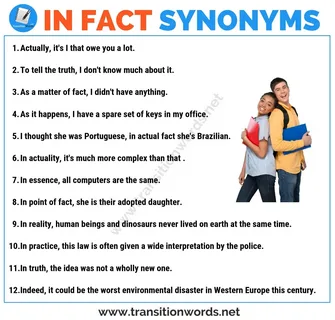
Depending on context, alternatives include actually, indeed, in reality, in truth, and as a matter of fact.
Can I use in fact in academic writing?
Yes. The expression can be used in academic writing, particularly when it helps emphasize, clarify, or connect information. MLA grammar guidance also demonstrates its use in a sentence.
Why do people write infact?
It is usually a spelling or typing mistake caused by the close connection between the two words in speech and writing.
Conclusion
The correct form is in fact, not infact. The expression consists of two words and commonly means “actually,” “in reality,” or “in truth.” You can use it to add information, emphasize a statement, correct an assumption, or highlight a contrast. Its punctuation depends on how it fits into the sentence, so a comma is not automatically required every time.
The easiest rule to remember is simple: write “in fact” as two words. Once that spelling becomes familiar, you can focus on using the expression naturally and only when it genuinely strengthens your writing.