
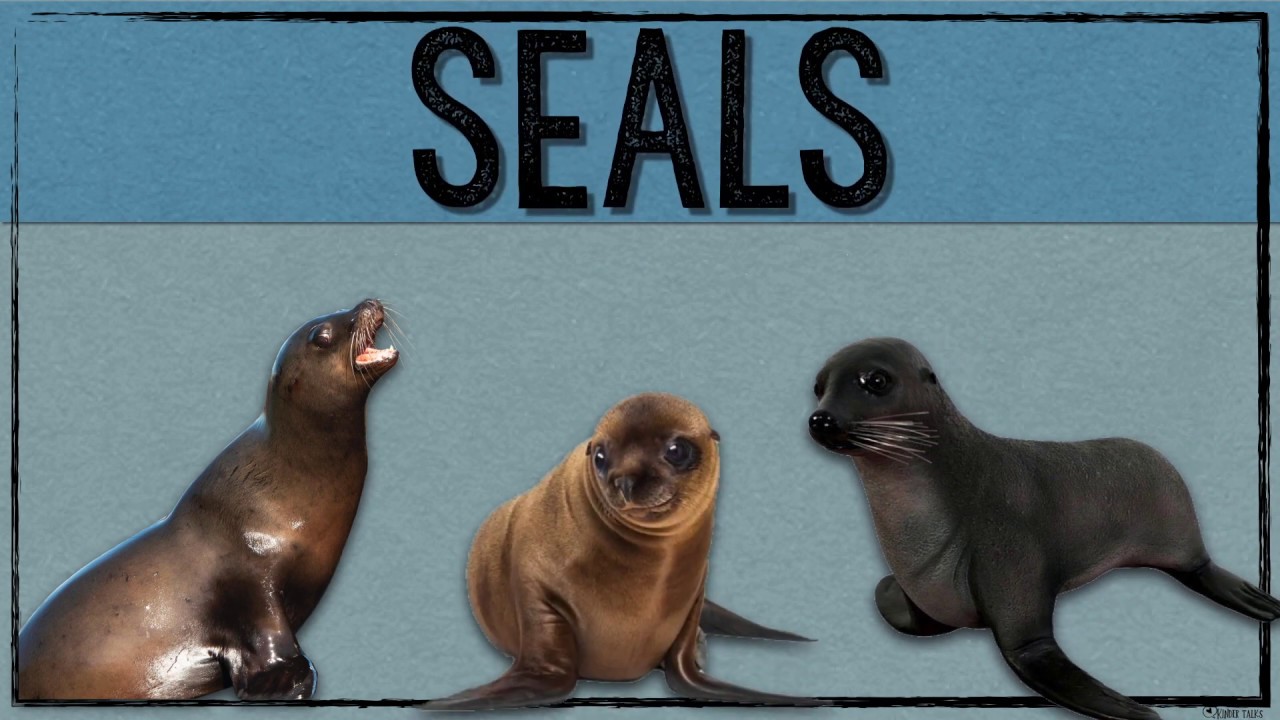
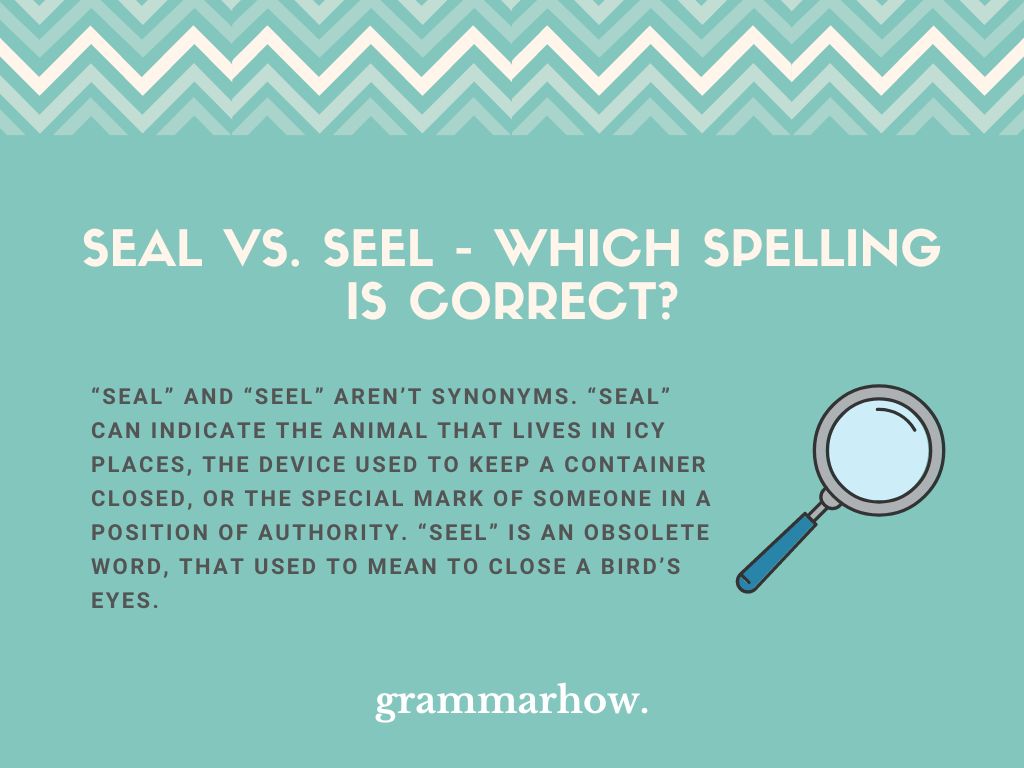
If you are unsure whether to write seal or seel, you are dealing with two words that sound alike but have very different uses. In modern American English, seal is the word you will almost always need. It can mean to close something securely, confirm an agreement, refer to an official mark, or name a marine mammal. Seel, by contrast, is a legitimate but rare and archaic English verb connected with historical falconry. It refers to sewing shut the eyelids of a hawk or falcon. Because the two words share the same pronunciation, spelling mistakes can happen easily. Understanding their meanings and contexts will help you choose the right word with confidence.
Seal or Seel: The Quick Answer
Seal is the correct choice for almost all ordinary modern English uses. Seel is a real but rare, archaic word mainly associated with historical falconry, so you should not use it as a substitute for seal in everyday writing.
| Word | Main meaning | Modern usage |
| Seal | Close, secure, authenticate, or a marine mammal | Very common |
| Seel | Historically, sew shut a hawk’s or falcon’s eyelids | Rare and archaic |
So, if you mean closing a package, approving an agreement, or talking about an ocean animal, choose seal.
What Does “Seal” Mean?
The word seal has several common meanings, and it can function as both a noun and a verb. As a verb, it means to close an opening so that nothing can enter or escape. You can seal an envelope, seal a package, or seal a container to protect its contents. It can also mean to formally confirm an agreement. Cambridge gives examples of sealing an agreement and sealing an entrance or container.
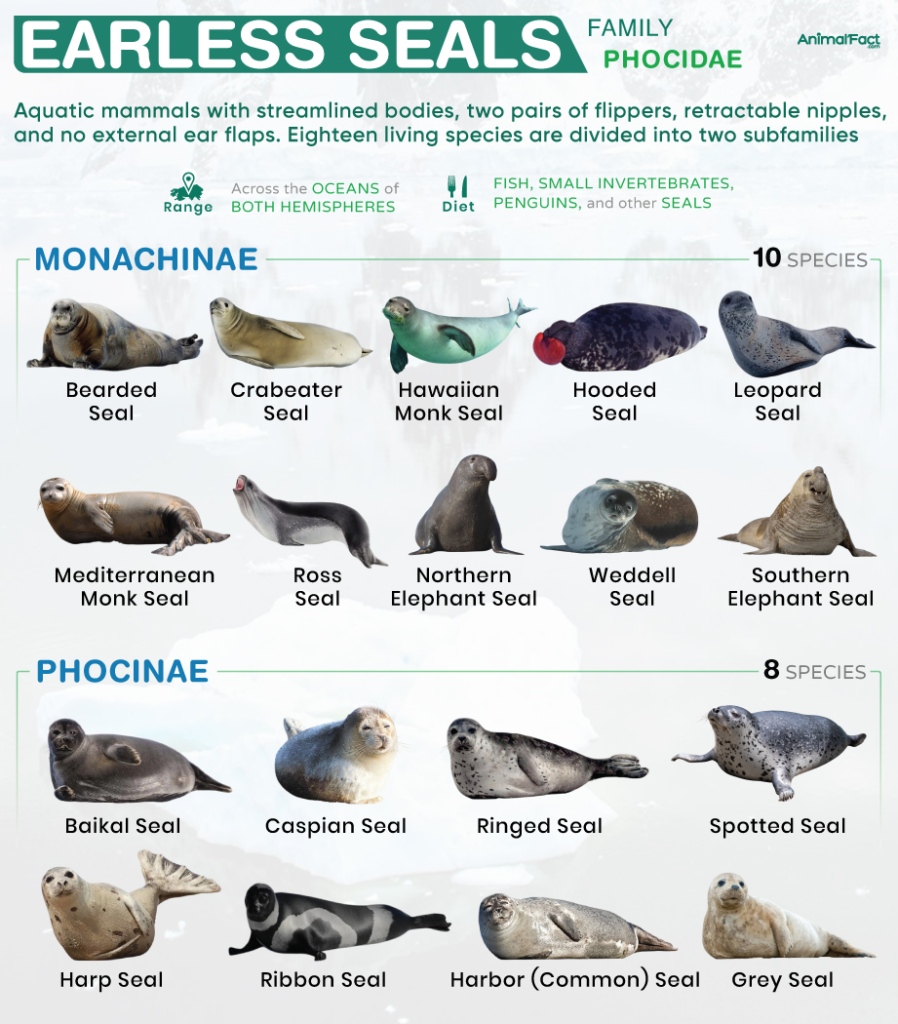
As a noun, a seal can mean a physical barrier that prevents liquid or gas from passing through. For example, a refrigerator door may have a rubber seal. The word can also refer to an official mark placed on a document. In another completely different context, a seal is a marine mammal that lives partly in the sea and partly on land or ice.
Seal as a Verb
When seal functions as a verb, the basic idea usually involves closing, securing, protecting, or confirming something. You might seal an envelope before mailing it, seal a gap to prevent leaks, or seal a contract after both parties agree. The verb also appears in expressions such as “seal the deal” and “seal something off.”
For example, consider these sentences:
Please seal the container before putting it in the refrigerator.
The workers sealed the cracks around the window.
The two companies sealed the agreement on Friday.
In each case, the word describes an action involving closure, protection, or formal confirmation.
Seal as a Noun
As a noun, seal has several distinct meanings. It may describe a physical device or material that prevents air, water, or another substance from passing through. A bottle can have a safety seal, while a machine may require an airtight seal to operate properly.
A seal can also be an official mark used on a document. Legal and government contexts may use seals to identify or authenticate documents, although the legal effect of a seal depends on the applicable rules. Cornell’s Legal Information Institute describes a seal as an impression or imprint used with legal documents to indicate authenticity or proper execution.
Finally, seal can refer to a marine mammal. That meaning has no connection with envelopes, contracts, or packaging. Context tells you which meaning applies.
Seal in Different Contexts
You will encounter seal across everyday, professional, technical, and formal writing. In packaging, a seal protects a product from contamination or unwanted opening. In engineering, seals can help prevent fluids or gases from escaping. In business writing, a company may seal a contract or describe an agreement as sealed. In legal writing, a document may be described as being under seal.
The word also appears in science and wildlife discussions. A biologist may discuss a seal species, while an engineer may discuss a mechanical seal. The spelling remains the same even though the meaning changes with context.
What Does “Seel” Mean?
Seel is not simply a made-up spelling or an accidental typo. It is a legitimate English word with a specialized historical meaning. Collins defines seel as a transitive verb referring to sewing shut the eyelids of a hawk or falcon so the bird would remain quiet and tame. It also records an obsolete broader meaning involving closing the eyes or blinding.
Today, you are unlikely to encounter seel in ordinary American writing. It survives mainly in historical discussions, dictionaries, literature, and references to falconry. That makes it an important exception to the simple rule that seal is the word you should normally choose.
Seel as an Archaic Verb
The word seel functions as a verb rather than the common noun or verb forms associated with seal. Its historical use belongs to falconry, the practice of training and hunting with birds of prey. Historical sources describe seeling as the practice of sewing a hawk’s or falcon’s eyelids shut during training.
For example, a historical text might say that a falconer seel a young hawk. That sentence uses the word in its specialized historical sense. You would not use seel when you mean closing a jar, securing a document, or confirming a business agreement.
Is “Seel” a Real Word?
Yes. Seel is a real English word, but its meaning and usage are highly restricted. Modern dictionaries still record it, particularly in connection with falconry and obsolete usage.
That distinction matters because calling seel simply “incorrect” is technically inaccurate. A better explanation is that seel is archaic and specialized, while seal is the standard modern choice for everyday communication.
Why Is “Seel” Rare Today?
The historical practice associated with seel is no longer part of ordinary modern life. As a result, the word has little practical use in contemporary conversation or general writing. It remains useful when readers encounter older texts or specialized discussions of falconry terminology.
In practice, you should recognize seel when you see it rather than assume that every appearance is a spelling mistake. However, you should not introduce it into ordinary writing when seal expresses your intended meaning.
Seal or Seel: What’s the Difference?
The biggest difference is modern usage. Seal is a common word with several meanings and appears in everyday communication, business, technical writing, legal contexts, and wildlife discussions. Seel has a narrow historical meaning connected primarily with falconry.
Another important difference involves grammar and meaning. Seal works as both a noun and a verb. Seel is recorded as a transitive verb. The words therefore cannot be treated as interchangeable homophones simply because they sound alike.
Meaning and Usage Differences
| Feature | Seal | Seel |
| Part of speech | Noun and verb | Verb |
| Common today? | Yes | No, except in specialized or historical contexts |
| Main modern meaning | Close, secure, authenticate, or marine mammal | Sew shut the eyelids of a hawk or falcon |
| Business use | Common | Not appropriate |
| Packaging use | Common | Not appropriate |
| Legal use | Common in certain contexts | Not appropriate |
| Wildlife use | Common for the marine animal | Historical falconry |
| Historical use | Yes | Yes |
| Pronunciation | Same basic sound | Same basic sound |
The important point is that similar pronunciation does not make two words interchangeable. English has many homophones with different meanings and spellings. Context and word history determine the correct choice.
Seal vs Seel Comparison Table
You can remember the distinction with a simple rule: use seal for modern meanings involving closing, securing, approval, documents, packaging, or marine animals. Reserve seel for historical or specialized references to falconry.
For most readers, this rule solves the problem immediately. If you are writing an email, report, school assignment, business document, or everyday message, seal will almost certainly be the correct spelling.
Are Seal and Seel Homophones?
Yes. In standard American English, seal and seel have the same basic pronunciation. Cambridge gives seal the pronunciation /siːl/, while dictionary sources give the same basic sound for seel.
That shared pronunciation explains much of the spelling confusion. When you hear the word rather than see it written, you cannot determine the spelling from sound alone. You must use the meaning and context.
How to Use “Seal” in Everyday English
Because seal has several modern meanings, you can use it in many ordinary situations. The word works naturally in personal communication, professional writing, technical descriptions, and formal documents. The exact meaning depends on what follows it.
For example, you can seal a physical object, seal an opening, seal information from public view, or seal an agreement. These meanings share a general idea of closure, security, or finality. Cambridge records these different uses across its general and business dictionaries.
Seal an Envelope
When you close an envelope by sticking its flap down, you seal the envelope. This is one of the clearest everyday uses of the verb.
For example:
I sealed the envelope and added the postage before leaving.
You would never write “seel the envelope.” That spelling changes the word into a rare historical verb with an entirely different meaning.
Seal the Deal
The expression seal the deal means to finalize or confirm an agreement. It often appears in business writing, journalism, and everyday conversation.
For example:
The final contract helped seal the deal between the two companies.
The phrase uses seal metaphorically. The agreement is not physically sealed. Instead, the action makes the arrangement final or certain. Cambridge also records seal something with something in the sense of formally confirming an agreement.
Seal of Approval
A seal of approval means an expression or indication of strong approval. It can describe official approval or informal acceptance.
For example:
The new design received the manager’s seal of approval.
Again, the word relates to confirmation and authority rather than physical closure.
Seal Something Shut
You can seal something shut when you close it securely. This construction commonly appears with containers, openings, doors, and other physical spaces.
For example:
The technician sealed the opening shut to prevent water from entering.
This meaning connects directly with the core idea of preventing something from passing through.
Seal a Package or Container
Packaging provides another common use. Manufacturers may place a seal over an opening, while consumers may seal a package after opening it.
For example:
Seal the bag tightly before placing it in the freezer.
A seal may also be a physical layer or device. A broken safety seal can indicate that a container has already been opened. Cambridge specifically defines a seal as material covering a container opening and as something that prevents liquid or gas from passing through.
Seal in Business and Professional Writing
Professional writers use seal when describing agreements, approvals, documents, and formal actions. You might write that two organizations sealed an agreement or that an official document carries a seal.
In legal contexts, however, avoid assuming that every seal has the same legal effect. Rules vary by jurisdiction and document type. A legal seal can serve authentication or execution purposes, but the precise requirements depend on the applicable law.
Seal or Seel: Examples in Sentences
The easiest way to understand the distinction is to compare the words in realistic sentences. Modern examples overwhelmingly use seal, while seel appears mainly in historical or specialized writing.
Correct Examples With “Seal”
Here are several natural examples:
Please seal the package before sending it.
The company sealed the agreement after several weeks of negotiation.
The broken seal allowed water to enter the pipe.
She placed the official seal on the document.
The envelope was sealed before it was mailed.
We watched a seal resting on the rocks near the shore.
Notice how different the meanings can be. The same spelling refers to closure, official authentication, a physical barrier, and a marine mammal.
Correct Historical Examples With “Seel”
The word seel belongs to a very different context:
The historical account describes how a falconer would seel a hawk.
The manuscript uses seel as an old falconry term.
These sentences work because the context clearly identifies the historical meaning. Modern readers should not interpret seel as an alternative spelling of seal.
Incorrect Modern Examples
Consider these examples:
❌ Please seel the envelope.
❌ We need to seel the package.
❌ The company seel the contract yesterday.
The intended word in each sentence is seal. Using seel here creates a spelling and word-choice error because none of these sentences involves the historical falconry meaning.
Seal Pronunciation, Spelling, and Common Mistakes
Pronunciation creates the main source of confusion. Seal and seel sound alike in standard American English, so listening alone cannot tell you which spelling belongs in a sentence. Cambridge lists the American pronunciation of seal as /siːl/.
The safest strategy is to identify the meaning first. If you mean “close,” “secure,” “authenticate,” or the marine animal, choose seal. If the text discusses the historical training of a hawk or falcon and specifically describes sewing its eyelids shut, seel may be the intended word.
How Do You Pronounce Seal and Seel?
Both words are pronounced with the same basic long ee sound followed by l. This makes them homophones in standard American English.
Their identical pronunciation does not mean they have identical meanings. English spelling often preserves historical differences even when two words eventually develop the same pronunciation.
Why Are Seal and Seel Confused?
The main reason is simple: they sound the same. If you hear someone say the word, you cannot know whether they mean seal or seel without context.
Spelling becomes especially difficult when a writer has encountered the rare word seel before. Since seel is a genuine dictionary entry, it can look plausible even when it is completely wrong for an ordinary sentence.
Common Seal vs Seel Spelling Mistakes
The most common mistake is using seel where the writer means to close or secure something. This can happen with phrases such as seal an envelope, seal a package, and seal the deal.
A useful memory trick is to connect seal with familiar modern words such as sealed, sealing, and reseal. If you can describe something as being closed, secured, or finalized, seal is almost certainly the word you need.
Seal, Seel, and Ceil: Don’t Mix Them Up
You may also encounter ceil, although it has a different meaning and spelling history. It is associated with covering or providing a ceiling and is much less common in everyday American English.
The important point is that sound alone cannot reliably identify the spelling. Always consider the sentence’s meaning before choosing among words that sound alike.
Seal or Seel: When Should You Use Each Word?
For modern American writing, choose seal almost every time. Use it for physical closure, protection against leaks, official marks, formal agreements, and the marine animal. It also appears in many familiar expressions, including “seal the deal” and “seal of approval.”
Use seel only when the context specifically requires its historical meaning. If you are discussing old falconry practices, historical literature, or a text that uses the term, seel may be appropriate. Otherwise, choosing it will usually make your writing look like it contains a spelling error.
Use “Seal” When You Mean…
Choose seal when you mean to close or secure something. It is also correct when referring to an official mark, a physical barrier against leakage, or a marine mammal.
For example, use seal in “seal the envelope,” “seal the container,” “seal the agreement,” “official seal,” and “a seal swimming near the shore.”
Use “Seel” When You Mean…
Use seel only for its specialized historical sense. The word refers to sewing shut the eyelids of a hawk or falcon, particularly in historical falconry terminology.
Because this practice belongs to historical vocabulary, the word rarely appears in ordinary modern communication. If your sentence has nothing to do with falconry or historical usage, seel is probably not the word you want.
When Should You Avoid “Seel”?
Avoid seel when writing about packages, envelopes, agreements, contracts, documents, leaks, containers, or marine animals. In those contexts, seal is the standard modern choice.
You should also avoid replacing seal with seel simply because the two words have the same pronunciation. Homophones often require different spellings because their meanings and histories differ.
A Simple Rule to Remember
Here is the easiest rule:
If you mean close, secure, approve, authenticate, or the marine animal, use “seal.” If you mean the historical falconry practice involving a hawk’s or falcon’s eyelids, use “seel.”
That rule handles nearly every modern spelling question involving these two words.
Seal vs Seel: Practice Quiz and Final Verdict
Test yourself with these sentences. Choose seal or seel.
- Please ___ the envelope before mailing it.
- The company hopes to ___ the agreement this week.
- The broken ___ caused the pipe to leak.
- The historical text describes how a falconer would ___ a hawk.
- We saw a ___ resting near the shoreline.
- The official ___ appeared on the certificate.
Answers With Explanations
The answers are seal, seal, seal, seel, seal, seal.
The fourth sentence requires seel because it refers to the historical falconry meaning. Every other sentence describes a common modern meaning of seal, including closure, formal approval, a physical barrier, a marine mammal, and an official mark.
Frequently Asked Questions About Seal or Seel
Is “seel” a real word?
Yes. Seel is a legitimate but rare and archaic English word associated especially with historical falconry.
Is “seal” the correct spelling in modern English?
Yes, when you mean to close, secure, authenticate, approve, or refer to the marine mammal, seal is the standard modern spelling.
Are seal and seel pronounced the same?
Yes. They are homophones in standard American English, which explains why the spelling can be confusing.
Can I use “seel” instead of “seal”?
No, not for ordinary modern meanings. Seel has a specialized historical meaning and should not replace seal in everyday writing.
What does “seel” mean in falconry?
In historical falconry, seel means to sew shut the eyelids of a hawk or falcon as part of an old training practice.
What does “seal” mean as a verb?
As a verb, seal can mean to close something securely, prevent leakage, close something from access, or formally confirm an agreement.
What does “seal the deal” mean?
It means to finalize or confirm an agreement. The expression uses seal metaphorically to suggest that the arrangement has become certain or complete.
What does an official seal mean?
An official seal is a mark or impression placed on a document to indicate official status, approval, or authentication.
Final Verdict
When deciding between seal or seel, choose seal for almost every modern situation. It is the standard word for closing or securing something, confirming an agreement, identifying an official mark, describing a protective barrier, or naming a marine mammal.
Seel is not simply a misspelling. It is a genuine historical word, but its use is highly specialized. Its principal surviving meaning relates to an old falconry practice involving the eyelids of hawks or falcons.
So, if you are writing about an envelope, package, contract, document, container, or ocean animal, use seal. Save seel for the rare historical contexts where its specific meaning is actually intended.