

Have you ever wondered whether to write hoodie or hoody? Both spellings appear in English, and they refer to the same familiar type of casual clothing. However, one spelling is a better default when writing for an American audience. Choosing the right form can help you write clearer school assignments, product descriptions, fashion articles, and everyday messages. The difference is not as simple as correct versus incorrect because dictionaries recognize both forms. This guide explains their meanings, spelling differences, pronunciation, plural forms, and usage, with practical examples to help you choose the best spelling for your readers.
Quick Answer: Both hoodie and hoody are correct spellings for a sweatshirt or jacket with a hood. However, hoodie is the best default for American English because it is the familiar standard form. Use hoody when following a source, brand, or established spelling preference. The plural of either form is hoodies.
Key Takeaways
- Hoodie and hoody are both correct. Neither spelling is automatically a mistake.
- Hoodie is the recommended default for American English and general-purpose writing.
- Both words describe a casual sweatshirt or jacket with a hood.
- The two spellings have the same pronunciation and basic clothing-related meaning.
- The plural form is hoodies, regardless of which singular spelling you use.
- For articles, school assignments, and product descriptions, choose hoodie and use it consistently.
What Is the Difference Between Hoodie and Hoody?
The main difference is spelling, not meaning. Hoodie is the standard form to choose for most general writing, while hoody is a recognized alternative.
The Cambridge Dictionary lists hoodie as a noun and identifies hoody as an alternative spelling. Oxford Learner’s Dictionaries also recognizes both forms.
Here is a quick comparison:
| Feature | Hoodie | Hoody |
| Is it a recognized spelling? | Yes | Yes |
| Meaning | A sweatshirt or jacket with a hood | The same |
| Part of speech | Noun | Noun |
| Pronunciation | /ˈhʊd.i/ | /ˈhʊd.i/ |
| Recommended for US writing | Yes | Accepted, but not the preferred default |
| Can describe casual clothing? | Yes | Yes |
| Plural form | Hoodies | Hoodies |
For example:
Preferred: I bought a new hoodie for the weekend.
Also correct: I bought a new hoody for the weekend.
Both sentences communicate the same idea. The difference is the spelling the writer chooses.
Is Hoody a Misspelling of Hoodie?
No. Hoody is a recognized spelling variant, so it should not automatically be corrected as an error.
This is an important distinction. Some spelling comparisons involve one accepted word and one misspelling. Hoodie and hoody are different because reputable dictionaries recognize both forms.
Nevertheless, when you are choosing a spelling from scratch, hoodie is the more practical choice for a US audience. It is familiar, easy to recognize, and suitable for everyday and professional writing.
What Does Hoodie Mean?
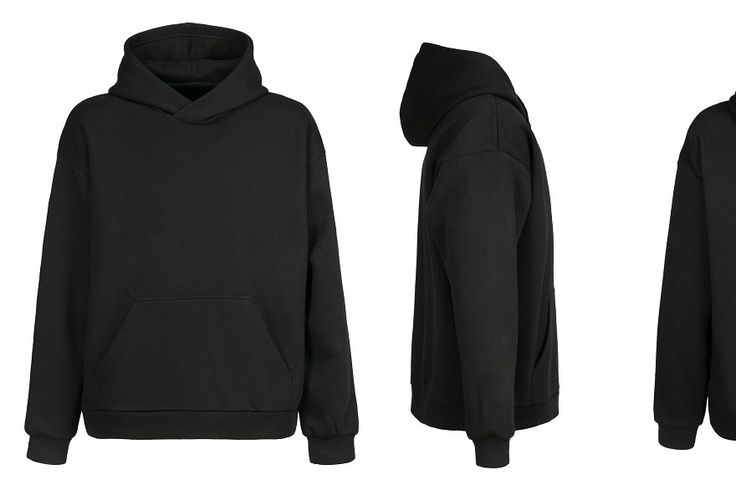
A hoodie is a casual garment, usually a sweatshirt or jacket, with a hood that can cover the head. It may have long sleeves, a front pocket, drawstrings, or a zipper, depending on the design.
The defining feature is the hood. Other details vary from one garment to another. Oxford Learner’s Dictionaries defines the word as a jacket or sweatshirt with a hood.
People wear hoodies for comfort, warmth, exercise, travel, and everyday activities. They are common in casual wardrobes and are available in many fabrics, colors, and styles.
Common Types of Hoodies
Hoodie describes a general type of garment rather than one specific design.
Here are several common variations:
Pullover hoodie: You put it on over your head. Many designs include a large front pocket.
Zip-up hoodie: A zipper runs down the front, allowing you to wear the garment open or closed.
Fleece hoodie: The fabric has a soft, warm texture, making it a popular choice for cooler weather.
Lightweight hoodie: A thinner design that works well for layering or mild temperatures.
Oversized hoodie: A relaxed, roomy garment designed for a loose fit.
These are clothing styles, not separate spellings. You can describe any of these garments as a hoodie.
How Do You Use Hoodie and Hoody in a Sentence?
Use hoodie or hoody as a noun when referring to a garment with a hood. The spelling does not change the basic meaning of the sentence.
For general American English, choose hoodie unless you have a reason to preserve the alternative spelling.
Everyday Examples
Here are some natural examples using the preferred form:
- I grabbed my hoodie before leaving the house.
- She wore a gray hoodie to the university.
- My favorite hoodie has a small logo on the chest.
- He bought a black hoodie for his trip.
- The weather was cool, so I put on a hoodie.
The same sentences can use hoody without changing their basic meaning.
For example:
- I grabbed my hoody before leaving the house.
- She wore a gray hoody to the university.
These examples are understandable and use a recognized variant. However, hoodie is the better default for most American readers.
Examples in Professional Writing
Although hoodie is an informal clothing term, you can use it in professional contexts when discussing garments.
For example, an online retailer might write:
“Our lightweight hoodie features a relaxed fit and a front kangaroo pocket.”
A clothing company might also use this sentence:
“The new hoodie collection includes pullover and zip-up styles.”
Both examples are appropriate for product descriptions because the word clearly identifies the type of garment.
Practical tip: Match the spelling used in your product catalog, style guide, or brand naming system. Consistency makes it easier for readers to navigate your content.
Is Hoodie or Hoody Correct in American and British English?
Both spellings are recognized in American and British English. However, hoodie is the safest general-purpose choice for a US audience.
Oxford’s American English dictionary lists hoodie and gives hoody as an alternative. Cambridge also recognizes hoody as an alternative form. These dictionary entries do not support a strict rule that hoodie is American and hoody is exclusively British.
Consider these recommendations:
| Writing context | Recommended choice | Reason |
| US blog article | Hoodie | Familiar general spelling |
| American school assignment | Hoodie | Clear and widely recognized |
| US online clothing store | Hoodie | Consistent product terminology |
| British English article | Hoodie or hoody | Both forms are recognized |
| Quoting a source that uses hoody | Hoody | Preserve the original wording |
| Following a brand’s official product name | The brand’s spelling | Maintain naming consistency |
| International audience | Hoodie | A straightforward default |
The key point is that you do not need to switch to hoody to make a sentence sound British. Regional usage can vary, but the two forms do not represent a simple American-versus-British spelling divide.
What Is the Plural of Hoodie or Hoody?
The plural is hoodies for both singular forms.
English spelling changes the ending when forming the plural of a noun that ends in -y after a consonant. For hoodie, the final -ie becomes -ies. For hoody, the final y becomes ies after the consonant d.
Examples:
- One hoodie, two hoodies.
- One hoody, three hoodies.
- The store sells hoodies in several colors.
- She ordered five hoodies for her team.
Correct: The shop has twenty hoodies in stock.
Incorrect: The shop has twenty hoodys in stock.
The standard plural spelling is hoodies. It is not necessary to use two different plural forms for the two accepted singular spellings. Oxford Learner’s Dictionaries lists hoodies as the plural form.

How Do You Pronounce Hoodie and Hoody?
Hoodie and hoody have the same ordinary pronunciation: /ˈhʊd.i/. The word has two syllables, with the stress on the first syllable.
You can think of the pronunciation as “HUUD-ee.”
The first part sounds like hood, and the ending sounds like ee. Because the two spellings sound the same, pronunciation alone usually cannot tell you which spelling a writer has chosen.
If you are unsure, check the written form rather than trying to infer it from speech.
Why Do People Confuse Hoodie and Hoody?
The confusion occurs because both spellings look reasonable and sound identical. The word begins with hood, which may lead some writers to prefer hoody, while the familiar spelling hoodie ends in -ie.
Neither spelling changes the garment’s basic meaning. The decision is mainly about which accepted form to use.
Here are three useful guidelines:
- Think about your audience. For US readers, choose hoodie.
- Check the source. If a brand or publication consistently uses hoody, preserve that spelling when referring to its exact wording.
- Stay consistent. Do not alternate between hoodie and hoody unnecessarily within the same article.
This approach avoids treating a recognized spelling variant as though it were always a mistake.
How Can You Choose the Best Spelling?
Use a simple three-part check whenever you are deciding between hoodie and hoody.
Step 1: Identify Your Audience
If you are writing for a US audience, choose hoodie. It is a clear default for articles, assignments, and product descriptions.
Step 2: Check for an Existing Style Requirement
A company, publisher, or clothing brand may have its own preferred spelling. Follow that preference when writing for the organization or reproducing its product names.
Step 3: Check the Whole Sentence
Confirm that the word refers to the intended garment and that the plural form is correct.
For example:
Draft: We sell black hoody and gray hoodys.
Revised: We sell black hoodies and gray hoodies.
The revision uses the familiar spelling and the correct plural form. It also avoids an unnecessary change in spelling within the same product description.

A Quick Editorial Checklist
Before publishing, ask yourself:
Am I writing primarily for American readers?
Have I chosen hoodie as my default spelling?
Am I preserving a brand’s or source’s spelling where necessary?
Have I used hoodies as the plural?
Have I kept the spelling consistent throughout the page?
Does the word accurately describe the garment?
This checklist works for blog posts, online stores, product catalogs, and educational materials.
Frequently Asked Questions
1. Is it hoodie or hoody?
Both hoodie and hoody are correct spellings for a casual sweatshirt or jacket with a hood. Hoodie is the best default for American English and general-purpose writing. Hoody is a recognized alternative, so it should not automatically be treated as a spelling mistake.
2. Is hoody a real word?
Yes. Hoody is a recognized English noun and an alternative spelling of hoodie. Oxford Learner’s Dictionaries lists hoody and identifies hoodie as an alternative. Both forms refer to a jacket or sweatshirt with a hood.
3. Which spelling should I use in American English?
Use hoodie as your default spelling when writing for an American audience. It is suitable for school assignments, blog articles, professional product descriptions, and everyday communication. Hoody is also recognized, but there is usually no practical reason to choose it over the more familiar default.
4. Is hoody British English?
Hoody is recognized in British English, but it is not exclusively British. Hoodie is also used in the UK and is recognized in American English. It is more accurate to describe hoody as an accepted spelling variant than to claim that each spelling belongs to a different country.
5. What is the plural of hoodie and hoody?
The plural form is hoodies for both spellings. For example, you can write, “The store sells hoodies in five colors.” Avoid writing hoodys. The standard plural ends in -ies, regardless of whether the singular form is hoodie or hoody.
6. How do you pronounce hoodie and hoody?
Both forms are pronounced /ˈhʊd.i/, with the stress on the first syllable. The first syllable sounds like hood, and the ending sounds like ee. Because the two spellings have the same ordinary pronunciation, you generally cannot distinguish them by hearing the word alone.
7. Is hoodie formal or informal?
Hoodie is an informal clothing term, but it can still appear in professional writing when it accurately describes the garment. For example, clothing retailers routinely need a clear name for the products they sell. In a technical document, you might instead use a more specific description, such as hooded sweatshirt.
8. Is a hoodie the same as a hooded sweatshirt?
A hoodie is generally a type of hooded sweatshirt or similar casual jacket. The terms often overlap, although product labels may distinguish garments by fabric, construction, or design. If the exact garment matters, describe its features rather than relying on the name alone.
Conclusion: Hoodie or Hoody—Which Should You Choose?
When choosing between hoodie or hoody, remember that both spellings are correct, but hoodie is the best default for American English.
Both words describe a casual garment with a hood, and both have the same ordinary pronunciation. Hoody is a recognized alternative rather than a simple misspelling. The plural form is hoodies in either case.
For school assignments, general articles, professional product descriptions, and most US-focused websites, use hoodie and keep the spelling consistent. If you are following a brand’s naming convention or quoting a source that uses hoody, preserving that spelling is reasonable.
The practical rule is simple: Choose hoodie for general writing, recognize hoody as a valid variant, and use hoodies for the plural.