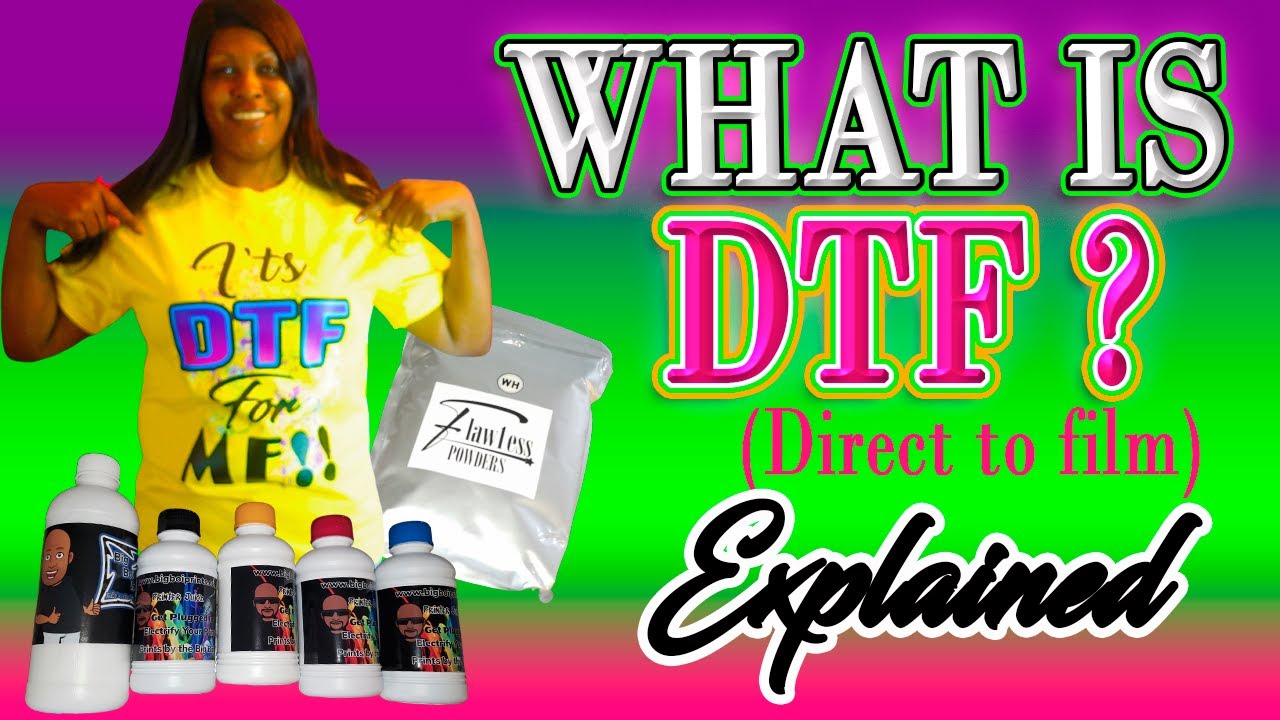
If you searched DTF Mean, you may have encountered two very different answers. In printing, DTF means Direct-to-Film, a transfer method widely used for custom apparel and textile decoration. A design is printed onto special film, coated with adhesive powder, cured, and then transferred onto fabric with heat. However, DTF also has an unrelated adult slang meaning in texting and social media. This guide focuses mainly on the printing term while explaining the second meaning later. You will learn how DTF printing works, why businesses use it, how it compares with other methods, and what customers should expect.
Quick Answer
DTF Mean in printing refers to Direct-to-Film printing. It prints artwork onto a special transfer film before the design is transferred onto fabric with heat. The method can produce detailed, colorful designs across various apparel materials.
If you saw DTF in a text message instead, the acronym can have an unrelated adult slang meaning. Context is therefore important when interpreting the term.
What Does DTF Mean in Printing?
DTF printing means Direct-to-Film printing. Instead of printing directly onto a finished garment, the artwork is printed onto a specialized film. A hot-melt adhesive powder is then applied and cured before the transfer reaches the fabric.
This approach is useful for custom apparel printing because the finished transfer can be applied to different materials. Manufacturer documentation describes DTF applications across cotton, polyester, blends, denim, nylon, and rayon.
What Does DTF Stand For?
DTF stands for Direct-to-Film. The name describes the first major printing stage because the design goes onto transfer film rather than directly onto the garment. That film later carries the printed design to the fabric.
What Is a DTF Transfer?
A DTF transfer is the prepared printed design that can be heat pressed onto a garment. It combines printed ink, transfer film, and adhesive material into a form ready for application.
What Materials Are Used in DTF Printing?
A typical workflow uses specialized transfer film, compatible textile inks, hot-melt adhesive powder, curing equipment, and a heat press. The exact materials and workflow can vary by printer, ink system, and manufacturer.
How Does DTF Printing Work?
The DTF printing process starts with digital artwork and ends with a heat-transferred design. Manufacturer workflows commonly include preparing print data, printing onto film, applying powder, curing the transfer, and pressing it onto fabric.
Unlike ordinary paper printing, DTF requires careful handling at each stage. White ink, powder coverage, curing, temperature, pressure, and timing can all affect the final result. Following the equipment manufacturer’s recommended settings is therefore important.
Creating and Preparing the Design
The artwork is prepared digitally before printing. DTF workflows can include a white base layer beneath the CMYK artwork, especially when the design needs strong color reproduction on darker materials.
Printing the Design on Transfer Film
The printer places the artwork onto specialized DTF transfer film. The printed image may be produced in reverse so that it transfers correctly during the pressing stage.
Applying DTF Adhesive Powder
Hot-melt adhesive powder is applied to the wet printed area. This powder becomes the bonding layer that helps the artwork attach to the garment during heat pressing.
Curing the Powder
The powder is heated so it melts and forms a transferable adhesive layer. Proper curing is important because incomplete or inconsistent curing can affect transfer quality and adhesion.
Heat Pressing the Transfer
The prepared transfer is positioned on the garment and pressed using controlled heat and pressure. The adhesive bonds the printed design to the fabric, creating the finished decoration.
Peeling and Finishing the Garment
After pressing, the film is removed according to the transfer system’s recommended procedure. The result is a finished garment carrying the printed design.
Why Is DTF Printing So Popular?
DTF has gained attention because it combines detailed color printing with flexible garment application. Manufacturers highlight its ability to handle customized apparel and different textile materials, making it useful for both small creative projects and professional production.
The method also fits modern on-demand production. Instead of relying entirely on large preprinted inventories, businesses can prepare customized designs as orders require them. That flexibility makes DTF attractive to apparel brands, print shops, creators, and merchandise businesses.
Vibrant Colors and Fine Details
DTF systems can produce detailed, full-color artwork. White ink can provide a foundation for designs on darker garments, helping maintain strong visual contrast.
Works With Many Fabric Types
One major advantage is material flexibility. Current manufacturer information describes DTF applications across cotton, polyester, blends, denim, nylon, and rayon.
Suitable for Small and Large Orders
DTF can support customized pieces and production workflows at different scales. Roland DG, for example, currently offers compact and larger DTF systems designed for apparel and textile production.
Flexible Customization Options
Because designs are created digitally, businesses can produce different artwork without creating a separate screen for every design. That makes frequent design changes more practical for customized merchandise.
What Does DTF Mean for Businesses and Custom Apparel?
For businesses, DTF can mean a flexible route into custom apparel printing. Print shops, clothing brands, creators, and merchandise sellers can use the process for products such as T-shirts, sportswear, jerseys, bags, and other textile items.
The business value depends on equipment cost, production volume, labor, consumables, maintenance, and selling price. DTF is not automatically the cheapest method for every order. Instead, its value comes from combining customization, material flexibility, and a digital production workflow.
DTF for Small Businesses
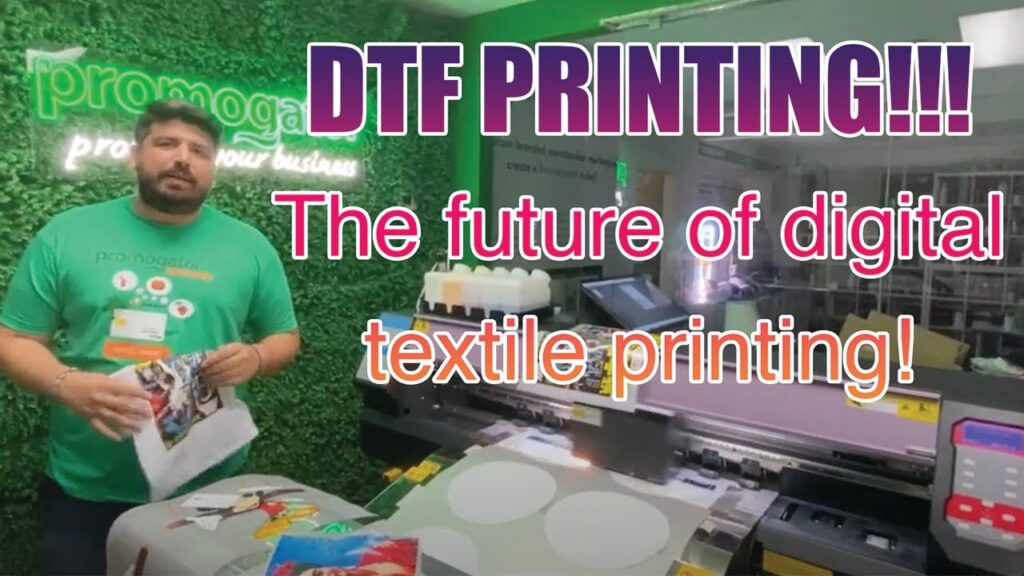
Small businesses can use DTF for customized clothing, short runs, personalized orders, and print-on-demand products. A compact system may fit businesses that do not need industrial-scale production.
DTF for Print-on-Demand Apparel
DTF works naturally with print-on-demand models because digital artwork can be prepared for individual orders. This can reduce the need to keep large quantities of finished designs in inventory.
DTF for Custom Clothing and Merchandise
Businesses can use DTF for branded shirts, uniforms, sportswear, promotional items, creator merchandise, and personalized products. Current commercial systems specifically target apparel and textile decoration.
What Does DTF Mean for End Users and Customers?
For customers, DTF generally means receiving a garment with a printed transfer rather than ink applied directly through the fabric. The finished appearance depends on the artwork, printer, ink, transfer materials, pressing conditions, and garment itself.
Quality also depends on the production workflow. A reputable printer should use compatible materials and controlled settings rather than treating every garment and transfer identically. Proper care after printing can also help preserve the finished design.
DTF Print Quality and Appearance
DTF can create colorful and detailed graphics suitable for custom clothing. Its ability to reproduce complex artwork is one reason manufacturers position the method for customized apparel.
DTF Durability and Washability
DTF transfers are designed to bond with fabric through a heat-activated adhesive layer. However, durability varies with materials, application settings, garment construction, and care. Avoid assuming every DTF print will perform identically.
How to Care for DTF-Printed Clothing
Follow the printer or garment supplier’s care instructions. Washing conditions, detergents, drying methods, and ironing can influence the long-term appearance of decorated apparel.
DTF Printing vs Other Printing Methods
Choosing a garment printing method depends on the artwork, fabric, quantity, equipment, and desired result. DTF is one option among several established approaches, including DTG, screen printing, and sublimation.
| Printing Method | General Process | Common Strength |
| DTF | Print onto film, then heat transfer | Flexible custom apparel |
| DTG | Print directly onto garment | Detailed direct printing |
| Screen Printing | Push ink through prepared screens | Efficient for larger runs |
| Sublimation | Transfer dye into suitable material | Strong choice for compatible polyester |
DTF vs DTG
DTG means Direct-to-Garment. Unlike DTF, the design is printed directly onto the garment. DTF instead prints onto film before transferring the design. The better option depends on the garment, workflow, artwork, and production requirements.
DTF vs Screen Printing
Screen printing uses prepared screens and is often associated with larger production runs. DTF can be more flexible when designs change frequently or when customized orders are important.
DTF vs Sublimation
Sublimation transfers dye into suitable materials, particularly polyester-based products. DTF offers broader fabric flexibility, including materials that are not suitable for traditional dye-sublimation workflows.
What Are the Advantages and Limitations of DTF Printing?
The main appeal of DTF is flexibility. It can produce complex designs and transfer them to a broad range of apparel materials. Manufacturer documentation also highlights applications for cotton, polyester, blends, denim, nylon, and rayon.
However, DTF requires specialized materials and a controlled production process. Businesses must manage film, ink, adhesive powder, curing, pressing, equipment maintenance, and workflow consistency. Those requirements can affect the total cost and labor involved.
Advantages of DTF Printing
DTF offers several practical strengths:
| Advantage | Why It Matters |
| Detailed designs | Useful for complex artwork |
| Color flexibility | Supports full-color graphics |
| Fabric range | Works across many textile types |
| Customization | Suitable for personalized products |
| Digital workflow | Makes design changes easier |
| Short-run potential | Useful for customized orders |
Limitations of DTF Printing
DTF is not a universal solution. It requires compatible film, ink, powder, curing, and heat-press equipment. Production quality can also vary when temperature, pressure, curing, or material handling is inconsistent.
Is DTF Printing Right for Your Business or Project?
DTF may fit your project if you need custom apparel, detailed artwork, flexible fabric options, and a digital production workflow. It can be particularly useful when you expect varied designs or customized orders rather than one massive repeated design.
Before buying equipment, compare expected order volume, material costs, maintenance, workspace, labor, and selling prices. A low equipment price alone does not determine profitability. Your complete production cost matters more.
| Your Priority | DTF May Fit If… |
| Custom designs | You produce varied artwork |
| Fabric flexibility | You print across several materials |
| Small orders | You need customized short runs |
| Detailed graphics | Your designs contain multiple colors |
| Business growth | You expect regular apparel orders |
What Does DTF Mean in Text and Social Media?
Outside printing, DTF meaning in text is completely different. Major dictionaries define DTF as an informal and offensive abbreviation for “down to fuck,” commonly associated with dating sites, social media, and text messages.
Context usually tells you which meaning applies. A conversation about T-shirts, printers, or apparel almost certainly points toward Direct-to-Film. A dating app message or casual social-media conversation may use the slang meaning instead.
What Does DTF Mean in Texting?
In texting, DTF generally refers to sexual interest or willingness to have a casual sexual encounter. It is informal adult slang rather than professional language.
What Does DTF Mean on Social Media?
On social media, the slang meaning can appear in dating conversations, private messages, memes, or jokes. The tone can change with the relationship and context.
How Can You Tell Which DTF Meaning Someone Means?
Look at the surrounding words. If someone discusses printers, shirts, transfers, or apparel, DTF means Direct-to-Film. If the conversation involves dating or sexual slang, the other meaning is more likely.
Frequently Asked Questions About DTF Printing
What Does DTF Mean in Printing?
DTF means Direct-to-Film, a printing method where artwork is printed onto transfer film before being heat pressed onto fabric.
What Does DTF Stand For?
In apparel printing, DTF stands for Direct-to-Film. The same acronym can have unrelated meanings in other contexts.
What Is DTF Printing Used For?
DTF is used for customized apparel and textile decoration, including T-shirts, sportswear, jerseys, bags, and other products.
Is DTF Printing Durable?
DTF can produce durable transfers, but results depend on the film, ink, adhesive, curing, pressing conditions, garment, and care process.
What Fabrics Can DTF Printing Be Used On?
DTF can be used on various materials, including cotton, polyester, blends, denim, nylon, and rayon.
Is DTF Better Than DTG?
Neither method is universally better. DTF transfers artwork from film, while DTG prints directly onto the garment. Your fabric, workflow, design, and production needs determine the better fit.
Is DTF Good for Small Businesses?
It can be useful for small apparel businesses that need customization, varied designs, or short-run production. Equipment and operating costs should still be evaluated carefully.
How Long Do DTF Transfers Last?
There is no single lifespan that applies to every DTF transfer. Durability depends on production quality, garment material, application settings, and washing and drying practices.
What Is the Difference Between DTF and Sublimation?
DTF transfers a printed design from film onto fabric. Sublimation uses dye that transfers into compatible materials, especially polyester-based products.
Does DTF Have a Different Meaning in Texting?
Yes. In texting and social media, DTF commonly has an adult slang meaning unrelated to printing. Cambridge and Collins both identify this usage.
Conclusion
So, what does DTF Mean in printing? It means Direct-to-Film, a transfer-based apparel printing method that places artwork on specialized film before heat pressing it onto fabric. Its flexibility makes it useful for customized apparel, detailed graphics, and different textile materials.
The key is to judge DTF based on your actual project. Consider fabric, design complexity, order volume, equipment, operating costs, and production goals before choosing it. And if you encounter DTF in a text message, remember that context matters because the acronym can have an entirely different slang meaning.