

If you have ever seen quaff and coif in writing, you may wonder whether they mean the same thing. They look somewhat alike and can sound similar in some pronunciations, but their meanings are quite different. Quaff is a verb connected with drinking, especially drinking a large amount quickly. Coif can refer to a close-fitting cap or head covering. It can also work as a verb meaning to style or arrange someone’s hair. The pronunciation adds another layer of confusion because dictionary sources show more than one pronunciation for these words. For American readers, understanding the meaning, context, and pronunciation makes the distinction much easier.
Quaff or Coif: Quick Answer
Quaff means to drink something quickly or in a large amount. Coif refers to a close-fitting head covering or, as a verb, to style or arrange hair. Cambridge identifies quaff as old-fashioned, while Oxford describes it as old-fashioned or literary.
The important point is that you should choose the word according to meaning and context, not simply spelling or sound.
What Is the Difference Between Quaff and Coif?
The basic difference is straightforward: quaff is about drinking, while coif is associated with headwear or hair. If a sentence describes someone rapidly drinking a beverage, quaff fits. If it describes someone’s hairstyle or a historical cap, coif is the appropriate word.
These words also differ grammatically. Quaff functions as a verb. Coif can function as either a noun or a verb. As a noun, it can describe a close-fitting cap. As a verb, it can mean covering the head with a coif or styling the hair. Collins documents these meanings in its American English entries.
Quaff in Simple Terms
Think of quaff as a literary or old-fashioned way to say “drink quickly” or “drink a large amount.” For example, “They quaffed the cider” suggests that they drank it eagerly or in substantial quantity. Cambridge gives the core meaning as drinking something quickly or in large amounts.
Coif in Simple Terms
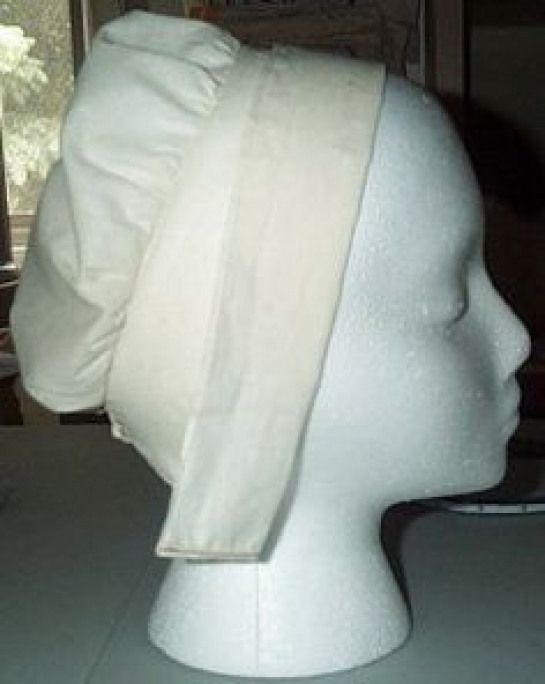
Think of coif as a word connected to the head. A coif can be a close-fitting cap, especially in historical contexts. As a verb, coif can mean to style someone’s hair. This gives the word two useful modern pathways: headwear and hairstyling.
Quaff vs Coif at a Glance
| Feature | Quaff | Coif |
| Main meaning | Drink quickly or in a large amount | A close-fitting cap or styled hair |
| Main part of speech | Verb | Noun and verb |
| Common context | Drinking, literary writing | Hair, fashion, historical clothing |
| Example | “They quaffed the wine.” | “She coifed her hair.” |
| Modern status | Old-fashioned or literary | Still used, especially in specific contexts |
| Related word | Drink, gulp, swig | Coiffure, hairstyle |
What Does “Quaff” Mean?
Quaff means to drink a large amount of something quickly. Cambridge labels the verb old-fashioned, and Oxford describes it as old-fashioned or literary. That means you are more likely to encounter it in literature, historical writing, humorous prose, or deliberately expressive language than in ordinary everyday conversation.
For example, “The travelers quaffed cold ale after the long journey” gives the sentence a more colorful tone than simply saying “The travelers drank cold ale.” The word does not merely identify the act of drinking. It emphasizes the manner or quantity of the drinking.
Quaff Definition and Part of Speech
Quaff is a verb. Oxford’s American English dictionary defines it as drinking a large amount of something quickly and gives forms such as quaffed and quaffing.
You can therefore write sentences such as “He quaffed the drink” or “They were quaffing champagne.” The verb can take a beverage as its object, although its old-fashioned or literary register makes ordinary alternatives such as drink more common in everyday American English.
How “Quaff” Is Used in Modern English
You can use quaff when you deliberately want a literary, vivid, humorous, or somewhat old-fashioned effect. It works particularly well in storytelling because it gives the drinking action more energy than the neutral verb drink.
For example, a fantasy story might describe a character who “quaffed a mug of ale.” In ordinary conversation, however, most Americans would simply say that the character drank the ale. That difference in register is an important part of correct word usage.
Quaff as a Verb
Because quaff is a verb, it describes an action rather than an object. Its forms include quaff, quaffs, quaffed, and quaffing. Oxford specifically lists these forms and gives drinking a large amount quickly as the central sense.
The word can describe alcoholic or nonalcoholic beverages. Context determines the specific drink. You could write about someone quaffing cider, tea, champagne, or another beverage, although the word’s literary flavor may sound unusual in casual situations.
Quaff Synonyms and Related Words
Useful synonyms for quaff include drink, gulp, and swig. However, they are not perfect replacements in every sentence. Cambridge lists drink, gulp, and informal swig among related choices.
Drink is neutral and extremely common. Gulp emphasizes swallowing quickly, while swig often suggests taking a large drink directly from a container. Quaff carries a more literary or old-fashioned flavor.
Quaff Example Sentences
Here are a few natural examples:
- “The travelers quaffed cool water after crossing the desert.”
- “The guests quaffed champagne during the celebration.”
- “The knight quaffed a cup of ale before returning to the feast.”
- “They spent the evening quaffing drinks and telling stories.”
These examples show why context matters. In each case, quaff refers to drinking. It never means styling hair or wearing a cap.
What Does “Coif” Mean?
Coif has two major meanings that are useful for modern readers. As a noun, it can mean a close-fitting cap or head covering. As a verb, it can mean to cover the head with a coif or style the hair. Collins documents both the historical headwear sense and the hair-styling sense in its American English material.
The word therefore has a broader semantic history than quaff. You may encounter coif in discussions of historical clothing, religious dress, fashion, or hairstyles. In modern writing, the hair-related sense is especially useful when describing carefully arranged hair.
Coif as a Noun
As a noun, a coif is a close-fitting cap or head covering. Historical examples include caps worn under other head coverings or forms of dress. Collins also records historical legal and military-related meanings.
For example, “The nun wore a simple coif beneath her veil” uses coif as a noun. The word refers to the head covering itself, not the person’s hairstyle.
Coif as a Verb
As a verb, coif can mean to style or arrange hair. You might therefore encounter a sentence such as, “The stylist coifed her hair before the event.”
This usage connects coif with words such as coiffure and coiffed. Collins defines coiffed as hair that has been carefully arranged and identifies coiffure with a hairstyle or style of arranging hair.
Coif in Modern Hair and Fashion Writing
You can still find coif in modern descriptions of hair, particularly when the writer wants a polished or slightly formal tone. It is less ordinary than simply saying style or arrange, but it remains an established English word.
For example, “Her carefully coifed hair completed the formal look” sounds more descriptive than “Her hair was styled.” This makes coif useful in fashion writing, character descriptions, and expressive prose.
Coif, Coiffure, and Hairstyle
A useful memory connection is coif → coiffure → hair. Collins traces coiffure to French and defines it in American English as a style of arranging the hair, among other related senses.
This association can make the hair-related meaning easier to remember. When you see coiffure or coiffed, think about hair. When you see quaff, think about drinking.
Coif Example Sentences
Consider these examples:
- “The historical costume included a simple coif.”
- “The stylist coifed her hair for the ceremony.”
- “Her neatly coiffed hair framed her face.”
- “The portrait shows a woman wearing a traditional coif.”
The first and fourth examples use coif as a noun. The second uses it as a verb. The third uses the related adjective coiffed.
Quaff vs Coif: Side-by-Side Comparison
The clearest way to separate these confusing English words is to compare their meanings, grammar, pronunciation, and context. Once you connect each word with its semantic field, the difference becomes much easier to recognize.
| Category | Quaff | Coif |
| Core meaning | Drink quickly or in a large amount | Close-fitting cap or styled hair |
| Part of speech | Verb | Noun or verb |
| Main subject | Drinking | Headwear or hair |
| Register | Old-fashioned or literary | Historical, formal, fashion-related, or descriptive |
| Example | “They quaffed the cider.” | “She coifed her hair.” |
| Related term | Gulp, swig | Coiffure, coiffed |
| Common modern alternative | Drink | Style or arrange |
Meaning and Definition
The central semantic difference is simple: quaff describes drinking, while coif describes headwear or hair styling. Cambridge and Oxford both support the drinking definition of quaff. Collins supports the headwear and hair-related definitions of coif.
Part of Speech
Quaff is used as a verb. Coif can be either a noun or a verb. Recognizing the grammar role can therefore help you identify the correct word when context is unclear.
Pronunciation
The pronunciation deserves special attention for American English. Cambridge gives U.S. quaff as /kwæf/ and U.S. coif as /kɔɪf/.
However, Collins records an additional American pronunciation for the hair-related coif sense, showing /kwɑf/. This explains why some discussions treat quaff and certain uses of coif as sounding alike. It is more accurate to say that the words can overlap in pronunciation in some usages, rather than claiming they are universally exact homophones.
Typical Context
Quaff belongs to the semantic field of beverages and drinking. Coif belongs to fields such as hair, fashion, historical clothing, and headwear.
That context provides a powerful clue. If the sentence mentions champagne, cider, water, or ale, quaff may be appropriate. If it mentions hair, a cap, a veil, or historical clothing, coif is the likely choice.
Example Sentences
Compare these sentences:
“The guests quaffed the wine.”
“The stylist coifed her hair.”
Changing the words would destroy the intended meaning. The first sentence needs a drinking verb. The second needs a hair-styling verb.
Why Are Quaff and Coif Confusing?
These words create word confusion because their spellings look related and their pronunciations can overlap in some contexts. They are also relatively uncommon compared with simple words such as drink, hair, and style. That makes them easier to misremember.
The pronunciation issue is particularly important. Standard U.S. dictionary entries distinguish quaff /kwæf/ from the main U.S. pronunciation of coif /kɔɪf/. Yet Collins also records /kwɑf/ for the hair-related sense of coif.
Similar Spelling Patterns
Both words begin with q/c + oi/ua-like spelling patterns and end with f. That visual similarity can make them look connected even though their core meanings developed differently.
When you are writing quickly, this resemblance may encourage a mistaken substitution. Context is therefore more reliable than visual memory.
Similar Sound Patterns
Some pronunciations bring the words closer together than their spelling suggests. This is one reason readers may encounter claims that they are homophones.
However, pronunciation varies by word and sense. Cambridge lists coif as /kɔɪf/ in U.S. English, while Collins records /kwɑf/ for the hair-related sense.
Uncommon Vocabulary
Neither word is among the most common choices in everyday American English. Drink is much more frequent than quaff, while style or arrange is usually more familiar than coif as a verb.
When an uncommon word appears, readers often rely on sound or spelling. That strategy can cause mistakes when two words look or sound related.
Why Context Matters
Context clues solve most cases immediately. A beverage points toward quaff. Hair or headwear points toward coif.
For example, “He ___ the cider” strongly suggests quaff. “She ___ her hair” strongly suggests coifed. You do not need to memorize every dictionary definition if you understand the semantic field.
Are Quaff and Coif Homophones?
Not universally. Cambridge’s standard U.S. pronunciations distinguish quaff /kwæf/ and coif /kɔɪf/.
At the same time, Collins records a /kwɑf/ pronunciation for the hair-related sense of coif, which can overlap with a pronunciation of quaff. So the safest explanation is that some pronunciations can coincide, but the words should not simply be described as universal homophones.
How to Use Quaff and Coif Correctly
When choosing between these words, start with the sentence’s meaning. Ask yourself one simple question: Is the sentence about drinking or about hair/headwear? That usually resolves the issue immediately.
You should also consider register. Quaff has an old-fashioned or literary flavor, according to Cambridge and Oxford. Coif can sound formal or specialized, especially when used as a verb for hairstyling.
When to Use “Quaff”
Use quaff when you want to describe drinking a large amount quickly, especially in literary, historical, humorous, or expressive writing. For ordinary American conversation, drink will usually sound more natural.
For example, “The travelers quaffed the ale” works well in a historical story. In a casual conversation, “The travelers drank the ale” is more straightforward.
When to Use “Coif”
Use coif as a noun when you mean a close-fitting cap or head covering. Use it as a verb when you mean to style or arrange hair.
For example, “The portrait shows a woman wearing a coif” uses the noun. “The stylist coifed her hair” uses the verb.
Using Quaff in a Sentence
Here are three practical patterns:
- “They quaffed the wine.”
- “The travelers quaffed cold water after the hike.”
- “The characters quaffed ale around the fire.”
Each sentence uses quaff as a verb connected with drinking.
Using Coif in a Sentence
You can use coif in several ways:
- “The woman wore a traditional coif.”
- “The stylist coifed her hair.”
- “Her carefully coifed hair completed the outfit.”
These examples show the noun, verb, and related adjective forms.
Quaff or Coif in Formal and Creative Writing
Both words can add specificity, but they are not everyday replacements for simpler vocabulary. Quaff can give a scene a literary or historical atmosphere. Coif can provide a precise or stylistic description of hair or historical clothing.
The important point is to use them because their meanings fit, not simply because they sound sophisticated.
Common Mistakes With Quaff and Coif
Most errors involve replacing one word with the other because of spelling or pronunciation. Another common problem is assuming that every pronunciation dictionary or speaker treats the words identically.
A reliable solution is to identify the meaning first. Then check whether the word needs to function as a noun or verb. This approach works better than relying on sound alone.
Using “Coif” When You Mean Drink
Incorrect: “The guests coifed the champagne.”
Correct: “The guests quaffed the champagne.”
Coif does not mean to drink. Its relevant meanings concern headwear or hair styling.
Using “Quaff” When You Mean Style Hair
Incorrect: “The stylist quaffed her hair.”
Correct: “The stylist coifed her hair.”
Quaff is the drinking verb. Coif can function as a verb meaning to style hair.
Confusing “Coif” With “Quiff”
Quiff is another hair-related word, but it is not simply an alternative spelling of coif. A quiff generally refers to a hairstyle or a raised section of hair.
Therefore, coif, coiffure, and quiff can appear in the same broad vocabulary area, but they have distinct meanings and uses.
Assuming Quaff and Coif Have the Same Pronunciation
This mistake comes from treating pronunciation as fixed across every dictionary entry and sense. Cambridge gives different standard U.S. pronunciations for quaff and coif, while Collins records a separate /kwɑf/ pronunciation for the hair-related coif sense.
Choosing a Word Based Only on Spelling
Spelling can help, but it should not determine meaning. Instead, look at the surrounding words.
If you see wine, ale, or champagne, think about quaff. If you see hair, hairstyle, cap, or veil, consider coif.
Quaff vs Coif: Origins and Historical Background
The two words also have different histories. Oxford dates quaff to the early 16th century and says its origin is probably imitative of the sound of drinking.
Coif is much older. Collins traces the headwear word through Middle English and Old French to Late Latin, with historical meanings centered on a cap or head covering. These different histories help explain why the words have no shared core meaning despite their similar appearance.
Origin and History of “Quaff”
Oxford dates quaff to the early 16th century. Its dictionary notes that the word’s origin is probably imitative of the sound of drinking.
That explanation is useful because it avoids an unsupported claim that the word simply came from Old English or Middle English. Its documented history is considerably later than those periods.
Origin and History of “Coif”
The headwear sense of coif has a much older history. Collins gives a Middle English and Old French pathway and connects it with Late Latin terms for a helmet or cap.
Historically, a coif could describe different forms of close-fitting headwear. Over time, the word also developed connections with hair styling.
From Coif to Coiffure
The relationship between coif and coiffure is especially useful for modern readers. Collins identifies coiffure with a hairstyle or a style of arranging the hair and traces it through French to coif.
This connection provides an easy vocabulary bridge. If coiffure makes you think of hair, the hair-related verb coif becomes easier to remember.
How Their Histories Shaped Their Modern Meanings
Quaff retained its connection with drinking, although its modern use is relatively literary. Coif retained the headwear meaning while developing a hair-styling sense.
Their histories therefore explain why modern readers encounter them in very different contexts. One belongs primarily to drinking language. The other belongs to clothing, headwear, and hair vocabulary.
Quaff vs Coif: Examples in Real Sentences
Real sentence examples make the distinction easier to apply. Instead of memorizing isolated definitions, look at the words surrounding each term.
In practice, quaff appears with beverages or drinking actions, while coif appears with hair, head coverings, fashion, or historical clothing. That contextual pattern is one of the simplest ways to avoid vocabulary mistakes.
Examples Using “Quaff”
- “The sailors quaffed their drinks after reaching shore.”
- “He quaffed a glass of cider.”
- “The guests quaffed champagne throughout the celebration.”
- “The travelers quaffed cool water after their long journey.”
- “The fictional king quaffed a cup of ale.”
Each sentence uses quaff to describe drinking.
Examples Using “Coif”
- “The woman wore a simple coif beneath her veil.”
- “The stylist coifed her hair before the ceremony.”
- “Her neatly coifed hair matched her formal dress.”
- “The historical costume included a close-fitting coif.”
- “The portrait shows a traditional head covering resembling a coif.”
These examples cover both major uses of coif: headwear and hairstyling.

Quaff vs Coif: Correct-and-Incorrect Examples
| Incorrect idea | Correct wording | Why |
| “She quaffed her hair.” | “She coifed her hair.” | Coif can mean style hair. |
| “They coifed the wine.” | “They quaffed the wine.” | Quaff describes drinking. |
| “He wore a quaff.” | “He wore a coif.” | A coif can be a head covering. |
| “They quaffed champagne.” | Correct | Quaff means drink quickly or in a large amount. |
| “Her hair was coifed.” | Correct | Coif can mean style hair. |
How to Remember the Difference Between Quaff and Coif
The easiest memory trick is to connect each word with a different image. Picture a person quaffing a drink from a large cup. Then picture a person having their hair carefully coifed by a stylist.
You can also remember the hair connection through coiffure. Since coiffure means a hairstyle or a style of arranging hair, it provides a useful bridge to the hair-related sense of coif.
Memory Trick for “Quaff”
Think: Quaff = quickly drink.
Both ideas belong to the same action. If the sentence involves a beverage being consumed quickly or in a large amount, quaff is the word to consider.
Memory Trick for “Coif”
Think: Coif = cap or coiffure.
The first connection reminds you of the historical headwear sense. The second connects directly with hair styling.
Quaff vs Coif vs Quiff
Do not let quiff create another vocabulary trap. A quiff is associated with a hairstyle, while coif can mean to style hair or refer to a close-fitting cap.
A useful three-way distinction is:
Quaff → drink
Coif → cap or style hair
Quiff → hairstyle
A One-Line Rule to Remember
If the sentence is about drinking, choose quaff. If it is about hair or headwear, choose coif.
Practice Quiz: Quaff or Coif?
Test yourself using context rather than spelling. Choose quaff or coif in each sentence.
Choose “Quaff” or “Coif”
- The travelers ___ed the cold water after their hike.
- The stylist ___ed her hair before the photo shoot.
- The historical costume included a close-fitting ___.
- The guests ___ed champagne during the celebration.
- Her carefully ___ed hair looked polished.
- The knight ___ed his drink before leaving the table.
Check Your Answers
- Quaffed — The sentence describes drinking.
- Coifed — The sentence describes styling hair.
- Coif — The sentence refers to historical headwear.
- Quaffed — Champagne is being consumed.
- Coifed — The sentence describes arranged hair.
- Quaffed — The character is drinking.
Why Each Answer Is Correct
The answers become easy once you identify the semantic field. Drinks and drinking actions point toward quaff. Hair styling and head coverings point toward coif.
This method is more reliable than trying to remember the words through pronunciation alone.
FAQs About Quaff or Coif
Is quaff a real word?
Yes. Quaff is an established English verb meaning to drink a large amount quickly. Major dictionaries classify it as old-fashioned or literary.
Is coif a real word?
Yes. Coif is an established noun and verb. It can refer to a close-fitting cap or to styling hair.
Is quaff commonly used in everyday American English?
It is less common in casual speech than drink. Cambridge and Oxford both mark it as old-fashioned or literary.
Can coif be used as a verb?
Yes. As a verb, coif can mean to style or arrange someone’s hair.
Can coif be used as a noun?
Yes. As a noun, coif can refer to a close-fitting cap or historical head covering.
Are quaff and coif homophones?
Not universally. Standard U.S. dictionary pronunciations distinguish them, although Collins records a pronunciation of the hair-related coif that can overlap with a pronunciation of quaff.
What does it mean to quaff a drink?
It means to drink it quickly or in a large amount. The verb often gives the sentence a literary or expressive tone.
What is the difference between coif and quiff?
A coif can mean a close-fitting cap or styling the hair. A quiff generally refers to a particular hairstyle or raised section of hair.
What is an easy way to remember quaff and coif?
Remember quaff = drink and coif = cap or hair. The connection between coif and coiffure can also help you remember the hair-related meaning.
Final Thoughts on Quaff or Coif
The distinction is easier than the spelling makes it seem. Quaff is a verb meaning to drink a large amount quickly, and it often has an old-fashioned or literary tone. Coif can be a close-fitting head covering or a verb meaning to style hair.
The pronunciation question requires a little more care. Standard U.S. dictionary pronunciations do not make the words universal homophones, although some pronunciations of the hair-related coif can overlap with quaff.
So, when you face Quaff or Coif, focus on the context first: drinking points to quaff, while hair or headwear points to coif. That simple distinction will keep your word choice accurate.