
Loneliness can feel invisible, yet its weight can be enormous. A good comparison gives that hidden emotion a shape readers can picture. This guide explores similes for loneliness through nature, silence, distance, memory, and everyday experiences. You will find 35 original examples for creative writing, poetry, fiction, essays, captions, and personal narratives.
What Is a Simile for Lonely?
A simile compares one thing with another by using words such as like or as. For example, “She felt lonely like a single star” compares an emotional state with something distant and solitary.
A simile for loneliness turns an abstract emotion into something familiar. Instead of simply saying “I felt lonely,” you create imagery that readers can see. This technique adds emotional expression without explaining every private thought.
Simile for Lonely Meaning
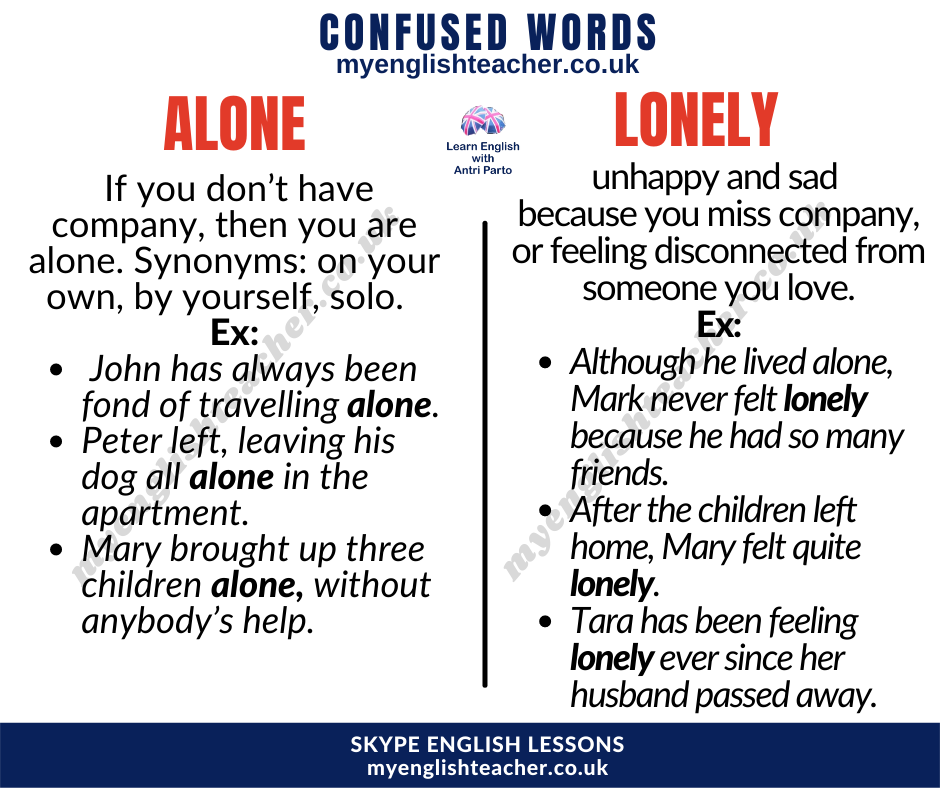
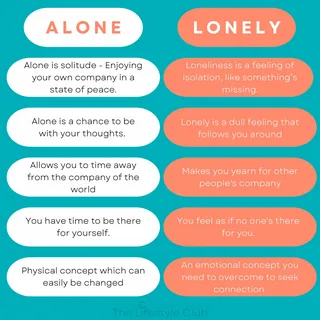
The phrase “simile for lonely” refers to a comparison that expresses the feeling of being alone, disconnected, forgotten, or emotionally distant. Lonely usually describes an unwanted lack of companionship, while alone can simply describe being without other people.
That difference matters in writing. A character can be alone without feeling lonely. For example, someone reading beside a quiet lake may experience solitude rather than sadness. Your comparison should match the exact feeling you want the reader to understand.
Why Do Writers Use Similes for Loneliness?
Strong loneliness imagery gives an emotion physical form. A deserted road can suggest distance. An unanswered letter can suggest rejection. A fading song can suggest a connection that once existed but slowly disappeared.
In creative writing, these comparisons also establish tone and atmosphere. A stormy lighthouse creates tension. A quiet snowfall creates peace. Therefore, the image should fit the character, scene, audience, and emotional intensity.
Quick Answer: What Is a Good Simile for Lonely?
A powerful example is “lonely like a single star.” It suggests distance, beauty, silence, and separation at once. Another useful choice is “lonely like a mountain peak,” which creates a stronger feeling of isolation and remoteness.
The best comparison depends on context. For grief, use an image connected to absence. For peaceful solitude, choose something quiet. For emotional isolation, choose an image that suggests separation from people rather than simple physical distance.
30+ Similes for Lonely With Meanings and Examples
These loneliness similes cover sadness, isolation, abandonment, peaceful solitude, and emotional distance. Each comparison creates a slightly different shade of meaning. Use the one that matches your scene instead of choosing a phrase simply because it sounds poetic.
| # | Simile | Meaning | Example Sentence |
| 1 | lonely like a single star | Distant and isolated | She felt lonely like a single star above the sleeping town. |
| 2 | lonely like a mountain peak | Completely separated | He stood lonely like a mountain peak above the valley. |
| 3 | alone as drifting sand | Without belonging | She wandered alone as drifting sand across the empty shore. |
| 4 | lonely like an island in fog | Hidden and disconnected | He felt lonely like an island in fog. |
| 5 | alone as a fallen leaf | Separated from its former place | She seemed alone as a fallen leaf in autumn. |
| 6 | silent like an empty desert | Deeply quiet and isolated | The house felt silent like an empty desert. |
| 7 | lonely like a lighthouse in a storm | Alone during difficulty | He stood lonely like a lighthouse in a storm. |
| 8 | lonely like fading music | Slowly losing connection | Their friendship felt lonely like fading music. |
| 9 | empty like an unfinished sentence | Something important feels missing | Her heart felt empty like an unfinished sentence. |
| 10 | alone like a name never called | Overlooked or forgotten | He sat alone like a name never called. |
| 11 | quiet as snowfall at midnight | Peacefully isolated | She was quiet as snowfall at midnight. |
| 12 | alone as a bird without its flock | Missing belonging | He felt alone as a bird without its flock. |
| 13 | lonely like an unanswered letter | Waiting for connection | She felt lonely like an unanswered letter. |
| 14 | empty like a deserted theater | Lacking human warmth | The room seemed empty like a deserted theater. |
| 15 | alone like a candle in an empty chapel | Small and isolated | He looked alone like a candle in an empty chapel. |
| 16 | lonely like a road after midnight | Quiet and deserted | The town felt lonely like a road after midnight. |
| 17 | alone as a shadow at dusk | Present but unnoticed | She moved alone as a shadow at dusk. |
| 18 | lonely like a phone with no signal | Unable to connect | He felt lonely like a phone with no signal. |
| 19 | empty like a house after moving day | Suddenly abandoned | The old home felt empty like a house after moving day. |
| 20 | alone as an echo without a voice | Existing without connection | Her thoughts seemed alone as an echo without a voice. |
| 21 | lonely like the last tree on a plain | Completely isolated | He stood lonely like the last tree on a plain. |
| 22 | alone like a bookmark in a finished book | Left behind | She felt alone like a bookmark in a finished book. |
| 23 | lonely as silence after laughter | Sad contrast after happiness | The room felt lonely as silence after laughter. |
| 24 | alone like an unopened door | Closed off from others | He remained alone like an unopened door. |
| 25 | lonely like a moonless road | Lacking direction and warmth | She walked lonely like a moonless road. |
| 26 | empty as an unused chair | Waiting without purpose | His life felt empty as an unused chair. |
| 27 | alone like a forgotten photograph | Neglected and distant | She felt alone like a forgotten photograph. |
| 28 | lonely like rain on a closed window | Near others but separated | He felt lonely like rain on a closed window. |
| 29 | alone as a boat without an anchor | Without stability | She drifted alone as a boat without an anchor. |
| 30 | lonely like a song nobody remembers | Forgotten by others | His story felt lonely like a song nobody remembers. |
| 31 | alone as a streetlight before dawn | Quietly enduring isolation | He stood alone as a streetlight before dawn. |
| 32 | lonely like a voice lost in a crowd | Unheard among people | She felt lonely like a voice lost in a crowd. |
| 33 | alone like a planet beyond the window | Extremely distant | He seemed alone like a planet beyond the window. |
| 34 | lonely like winter without footsteps | Empty and still | The park felt lonely like winter without footsteps. |
| 35 | alone like a message left unread | Seeking connection without response | She felt alone like a message left unread. |
Sad and Emotional Similes for Lonely
For sadness, choose images that suggest absence, rejection, or loss. Emotional similes such as “lonely like an unanswered letter” and “alone like a forgotten photograph” create a quiet ache. They work especially well in reflective writing, personal narratives, and emotional scenes.
Deep and Powerful Similes for Lonely
Deep comparisons should carry more than simple emptiness. Powerful similes for loneliness can suggest distance, endurance, and vulnerability together. “Lonely like the last tree on a plain” works because the image shows something living while everything around it feels vast and empty.
Peaceful and Quiet Similes for Lonely
Not every form of isolation feels painful. Peaceful solitude can feel calm, restorative, and deliberate. A comparison such as “quiet as snowfall at midnight” creates gentle imagery. It suits reflective poems, quiet scenes, nature writing, and characters who enjoy being alone.
Dramatic and Intense Similes for Lonely
Drama needs sharper imagery. “Lonely like a lighthouse in a storm” places an isolated figure inside danger. The lighthouse still provides light, yet it remains physically separated from the people it may guide. That tension creates stronger emotional impact.
Funny and Lighthearted Similes for Lonely
Humor can make loneliness easier to discuss. You might describe someone as “alone like a sock without its pair” or “lonely like the last person at a party.” These lonely similes suit casual captions, humorous fiction, and playful dialogue.
Creative and Unique Similes for Lonely
Fresh comparisons can make familiar emotions feel surprising. Consider a forgotten password, an unread message, or a bookmark inside a finished book. These creative similes for loneliness connect modern experiences with older feelings of separation and neglect.
Poetic and Literary Similes for Lonely
Poetry often depends on compressed images. Stars, fog, shadows, moonlight, winter, and fading music can carry several meanings at once. These poetic similes and literary similes work because they leave interpretive space for the reader.
Best Similes for Different Types of Loneliness
Loneliness is not one single experience. You may feel lonely after moving, losing someone, leaving school, ending a relationship, or sitting among strangers. A useful distinction is that being alone does not always mean feeling lonely.
That distinction helps you choose better similes about loneliness. Physical isolation needs different imagery from emotional disconnection. A deserted cabin may describe one. A crowded room may describe the other.
Similes for Feeling Lonely in a Crowd
Being surrounded by people does not always remove loneliness. A character may feel alone because nobody understands them. “Lonely like a voice lost in a crowd” captures this tension well. The image shows physical closeness but emotional distance.
Similes for Being Alone
Similes for being alone can describe simple solitude without suggesting sadness. “Alone as a streetlight before dawn” creates a quiet image. It shows separation without automatically turning the moment into negative loneliness.
Similes for Deep Emotional Loneliness
Deep isolation often involves feeling unseen or misunderstood. A character may have friends but still experience emotional isolation. “Like a message left unread” works because the image suggests communication that exists but receives no response.
Similes for Abandonment and Being Forgotten
Abandonment creates a sharper emotional wound. Images of old photographs, empty homes, unopened doors, and unanswered letters can suggest that someone has been forgotten. These comparisons work especially well when a story focuses on loss or rejection.
Similes for Loneliness After Losing Someone
Grief changes the texture of loneliness. An empty chair can suddenly become meaningful because someone once occupied it. In a story, “the room felt like a house missing its heartbeat” can suggest absence without describing grief in clinical terms.
How to Use Similes for Lonely in Writing
Good similes for lonely should serve the sentence. They should not merely decorate it. First, identify the emotion. Then choose an image that shares its main quality. This method keeps your figurative language clear and purposeful.
The best comparisons also fit the context. A school essay may need a clear image. A poem can tolerate more ambiguity. A novel may use a recurring image to build symbolism across several chapters.
Similes for Lonely in Fiction
In fiction, comparisons can reveal a character without direct explanation. Instead of writing “Maya felt lonely,” you might write, “Maya sat beside the window like a forgotten photograph.” The reader discovers her feeling through the image.
For readers who also enjoy word-choice and transition topics, see Segway or Segue – What’s the Difference? for another useful guide on choosing the right expression.
Similes for Lonely in Poetry
Poetry allows comparisons to become more compressed. A single image can carry mood, memory, and symbolism. For example, “Lonely like fading music” suggests both physical quiet and the emotional disappearance of something once familiar.
Similes for Lonely in Personal Writing
In personal narratives, honesty matters more than ornate vocabulary. If moving to a new city made you feel disconnected, you could write, “The city felt like a giant house where nobody knew my name.” The comparison remains simple and personal.
Similes for Lonely in Short Sentences and Captions
Short writing needs immediate impact. “Alone like a single star” works because the reader understands the image quickly. Short similes for alone can suit captions, journal entries, creative prompts, and social media posts.
Similes for Lonely in School Writing
Students can use these comparisons in essays, poems, descriptive paragraphs, and creative assignments. The strongest simile examples connect clearly with the subject. Avoid adding figurative language simply to sound sophisticated. Clarity still matters.
Simile vs Metaphor for Loneliness: What’s the Difference?
The main difference is directness. A simile explicitly compares two things using “like” or “as.” A metaphor makes a direct comparison without those words. For example, “Loneliness is like a desert” is a simile, while “Loneliness is a desert” is a metaphor.
Both forms belong to figurative language, but they create different effects. A simile explains the relationship more openly. A metaphor can feel more immediate. Writers may also use personification, symbolism, or hyperbole when those devices better suit the scene.
Simile Examples About Loneliness
A clear example is “She felt lonely like a single star.” The comparison leaves both ideas separate while showing their shared quality. This makes the meaning easy to understand.
Metaphor Examples About Loneliness
A metaphor might say, “Her loneliness was a locked room.” The emotion becomes the room itself. This creates a more direct image and can give the prose greater emotional intensity.
Which One Should You Use?
Choose the form that matches your writing style and purpose. Use a simile when you want a clear comparison. Choose a metaphor when you want a stronger conceptual image. Neither device automatically makes writing better.
For another article about distinguishing easily confused expressions, you can also explore Requester vs. Requestor: Difference, Usage, and Correct Choice.
How to Create Your Own Similes for Loneliness
Original similes expressing loneliness begin with observation. Look at ordinary things that share a quality with the emotion. A closed window suggests separation. A deserted station suggests waiting. A fading song suggests loss.
Then ask what your image actually contributes. Does it show silence, distance, rejection, emptiness, or longing? This process improves emotional accuracy and prevents random comparisons.
Step 1: Identify the Type of Loneliness
First, decide what your character feels. Is it sadness, abandonment, emotional emptiness, peaceful solitude, or rejection? Naming the exact emotion helps you choose a sharper image.
Step 2: Choose a Familiar Image
Next, choose something readers can picture quickly. Nature offers useful material, including stars, trees, fog, snow, oceans, birds, and empty roads. Nature imagery often works well because readers already understand its visual qualities.
Step 3: Find a Shared Quality
Now find the connection. Perhaps both the emotion and image feel distant. Maybe both seem forgotten. The shared quality creates the foundation for the comparison.
Step 4: Connect the Ideas With Like or As
Use like or as to make the comparison clear.A simple structure often sounds more natural than a complicated one.
Step 5: Make the Comparison Fresh
Avoid familiar clichés when possible. A common image can still work, but a specific detail makes it stronger. “Lonely like an island” is familiar. “Lonely like an island hidden under morning fog” feels more textured.
Step 6: Match the Simile to Your Tone
Your audience matters. A humorous comparison may suit a social caption. A restrained image may suit literary fiction. A dramatic comparison may fit a tense scene. Always let the tone guide your final choice.
Common Mistakes When Using Similes for Lonely
The biggest problem is forced imagery. Writers sometimes choose complicated comparisons because they sound impressive. Yet the reader may struggle to understand them. Good emotional writing usually feels clear before it feels clever.
Another problem involves repetition. Using the same lonely star or empty-room image repeatedly weakens its effect. Strong writing gives each comparison a specific job.
Using Overused Comparisons
Clichés can make a strong emotion sound ordinary. Familiar comparisons are not automatically wrong, but they need fresh context. Add sensory detail or a new perspective when you use a well-known image.
Choosing an Image That Does Not Match
A comparison must share a meaningful quality with the emotion. If the connection feels arbitrary, the reader may notice the wording instead of the feeling. Good emotional resonance comes from a believable relationship.
Adding Too Many Similes
One excellent comparison can outperform five average ones. Excessive imagery can clutter prose and dilute the main emotion. Give your strongest image room to breathe.
Making the Comparison Too Complicated
Readers should not need a dictionary to understand your emotional image. Even poetic language should maintain a clear emotional center. Simple wording can carry surprisingly deep meaning.
Ignoring the Writing Context
A literary poem, classroom essay, novel, caption, and personal journal have different needs. Consider your purpose before choosing an image. Effective descriptive writing always respects its audience and context.
Practice Exercise: Create and Choose the Best Lonely Simile
Practice makes figurative writing easier. Start with a simple sentence such as “I felt lonely.” Now replace the direct statement with an image. Try “I felt lonely like a message left unread.” Then create two more comparisons with different emotional tones.
The goal is not to find one universally perfect phrase. Instead, develop self-assessment skills. Ask whether your image fits the emotion, sounds natural, creates vivid imagery, and gives the reader something meaningful to picture.
Choose the Best Simile for Each Situation
Imagine a student sitting alone at lunch, a traveler arriving in a new city, a grieving person returning home, and someone enjoying a quiet evening alone. Each situation requires different emotional expression.
For the student, a crowded-room comparison may work. For the traveler, an unfamiliar-road image may fit. For peaceful solitude, snowfall or moonlight may feel more appropriate than abandonment imagery.
Complete the Lonely Simile
Try completing these structures in your own words: “She felt lonely like ______.” “He was alone as ______.” “The empty room felt like ______.” These prompts encourage creative expression without forcing one answer.
Create Your Own Simile for Loneliness
Choose one feeling, one familiar object, and one shared quality. For example, choose rejection, an unanswered message, and silence. You can then create a comparison that connects those ideas naturally.
Improve a Weak Simile
Take a basic comparison such as “He was lonely like a tree.” Improve it by adding context. “He was lonely like the last tree standing after the forest had disappeared” creates stronger sensory imagery and emotional meaning.
Practice Exercise Answers
There is rarely one correct answer in creative writing. A good comparison should fit the scene and communicate its intended feeling. If your image feels clear, relevant, original, and emotionally accurate, it can work.